
Chincoteague Island
Beautiful land across the water
Long before there was a town here, the Indigenous Chincoteague people crossed from their villages on the mainland to gather oysters and clams on this island. The island carries their name, and islanders have called it “beautiful land across the water” for generations. It’s about seven miles long, with a town of just under three thousand people, and you reach it over the causeway and drawbridge from the mainland. Watermen have worked these bays for centuries, and many of the families who run the restaurants, shops, boats and fire company today have been here just as long.
Chincoteague and Assateague are two different islands. Assateague is the barrier island just east of us, where the wild ponies live, the Chincoteague National Wildlife Refuge begins and the beach runs along the Atlantic. We’re on Maddox Boulevard at the Assateague end of town, so the refuge is a quarter mile one way and Main Street is a short drive or bike ride the other.
Our family can trace its roots on this island back three hundred years, and we’ve run the Refuge Inn here since 1973. Ask any of us at the front desk where to eat, when to go and who to call, and we’ll tell you what we tell our own friends.
Oysters and the water
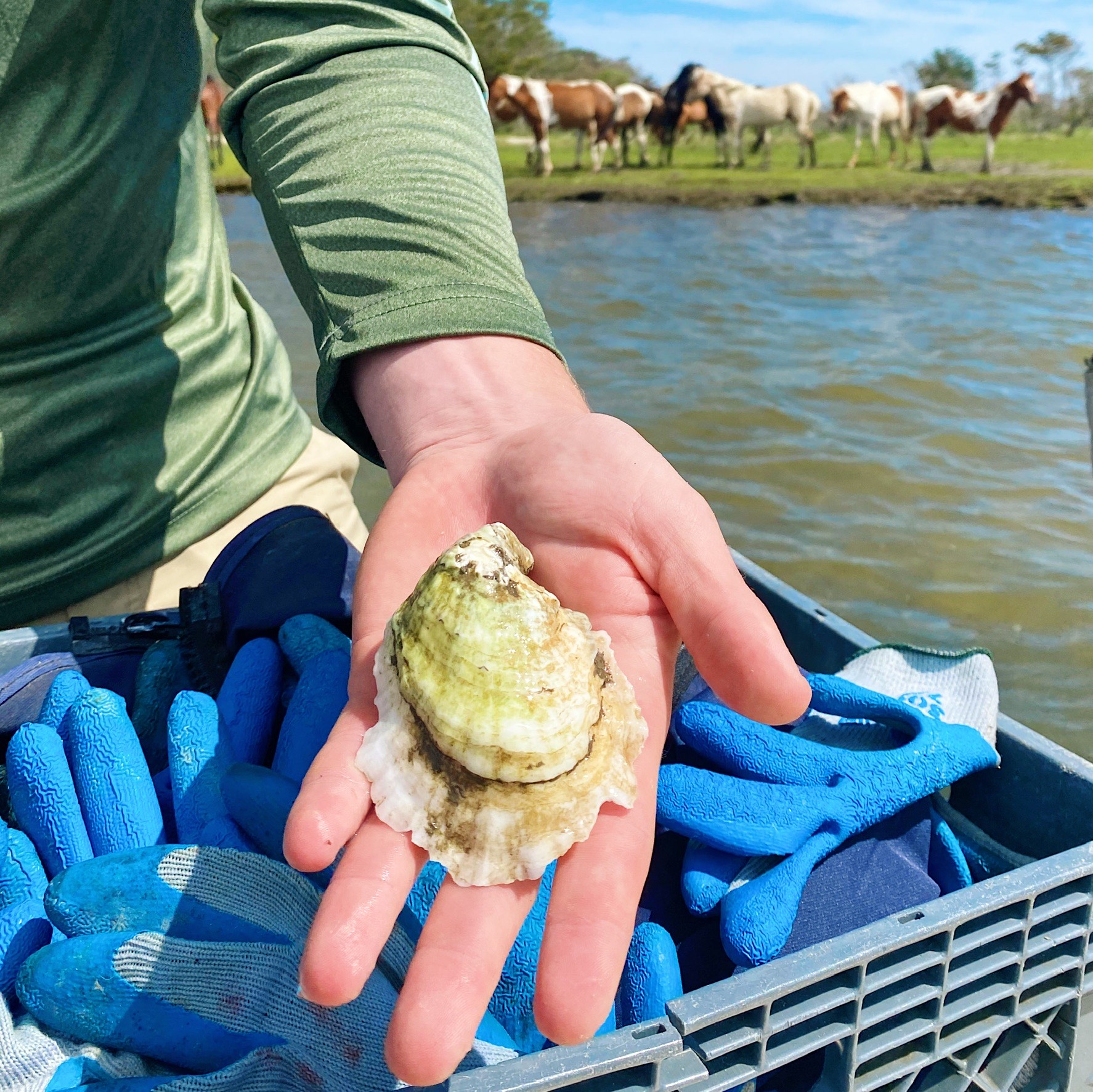
Chincoteague oysters have been shipped all over the world for their salty flavor, and watermen here still raise and harvest them, along with hard clams, in the bays around the island. They’re best fresh, on the half shell or single-fried at the island’s restaurants.
Our favorites:
- The Village, on Eel Creek. The Conner family has been in Chincoteague seafood for more than forty years. Get the fried oysters, and make a reservation.
- Bill’s, downtown, for seafood and steaks. Reservations recommended.
- Captain Zack’s, on Deep Hole Road, is a casual local seafood joint where the entire menu is solid and the service is worth the sometimes lengthy wait.
- Pico Taqueria, on Maddox, for gourmet tacos and a tiki bar with craft cocktails.
Our winter dining guide covers what’s open in the off season.
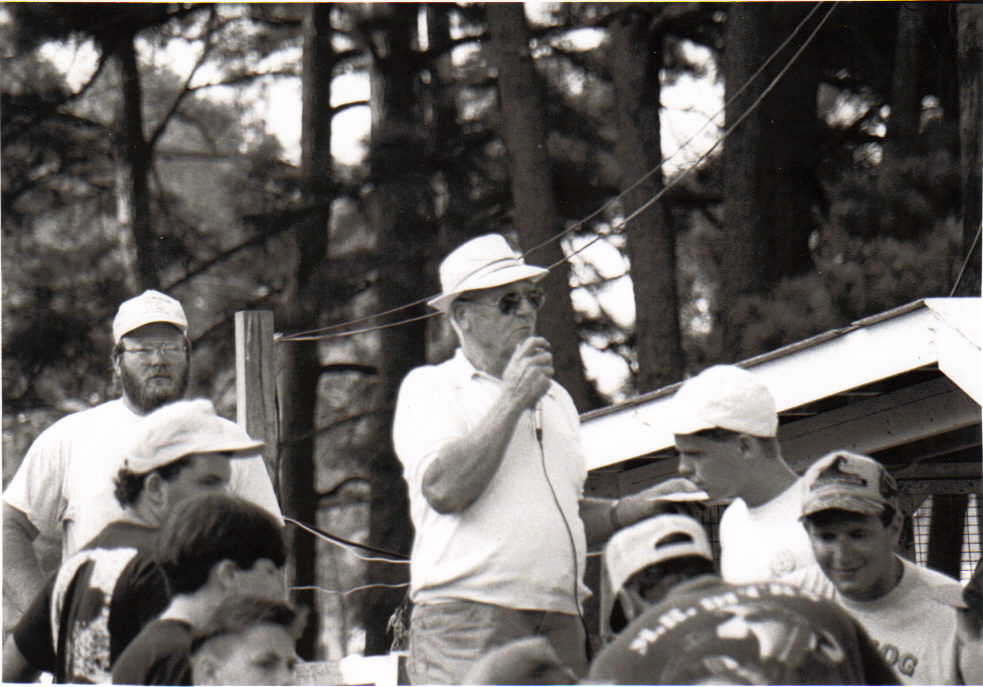
If you’d rather get your own, Arthur’s sons Hunter and Ayden run shellfish trips through Cowboy Cruise Company, where you dig clams, pick oysters from the floats they grow in, and eat them on the water. The island celebrates both with the Seafood Festival on the first Saturday in May and the Oyster Festival on Columbus Day weekend, run by the Chincoteague Chamber of Commerce. In summer, look for Art Leonard and his friend Andy Linton frying oyster fritters at the Firemen’s Carnival.
How Chincoteague became a destination
For most of its history Chincoteague made its living on the water. Then in 1947 Marguerite Henry published Misty of Chincoteague, a children’s book about real island children and a real pony, and readers started coming to see the place for themselves. The film version premiered at the Island Theatre on Main Street in 1961.
Visitors could see the ponies, but they couldn’t easily reach the beach. In 1965, after a long push led by island businessman Wyle Maddox, a bridge opened from Chincoteague to Assateague, paid for with local money. It put a public beach within reach of anyone willing to drive to it.
Don Leonard, who founded this inn, saw early that tourism would have to carry the island as the seafood business changed. As the Chincoteague Volunteer Fire Company’s press agent, he took reporters out on his own boat to watch the Pony Swim. In 1973 he and Martha opened the Refuge Motor Inn. Years later, on town council, he proposed the lodging tax that built the Chincoteague Center, the island’s convention center, at no cost to residents. It opened in 1996.
Our family legacy page tells the whole story.
Misty, then and now
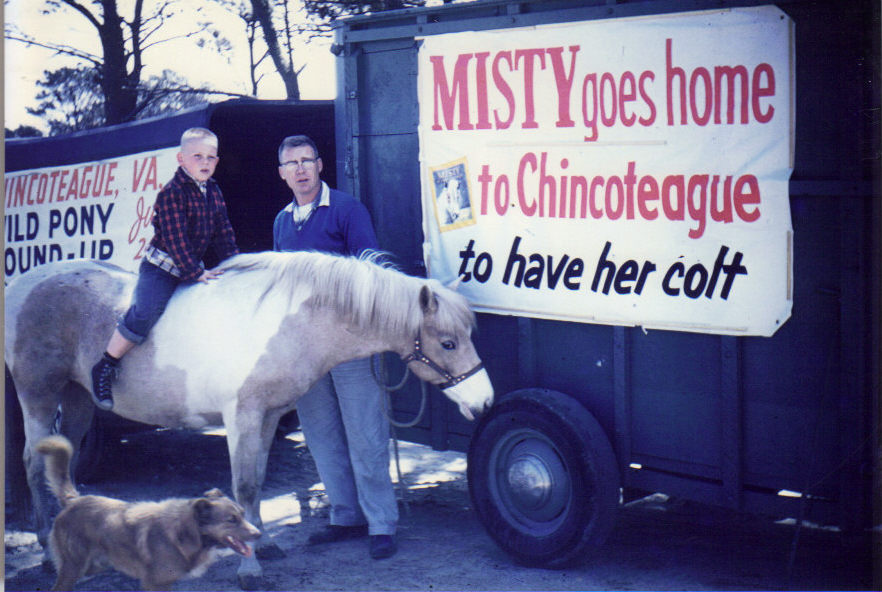
The real Misty lived on the Beebe Ranch on Ridge Road, the farm in the book, which the Museum of Chincoteague Island now runs as a museum. Don Leonard spent much of his boyhood there, and in 1957 he and Martha drove to Illinois to bring Misty home to have her foal.
Misty and her foal Stormy are at the Museum of Chincoteague Island on Maddox Boulevard, just up the road from us. Her bronze statue stands downtown, and her hoofprints are set in the sidewalk outside the Island Theatre, which shows the 1961 film every year during Pony Penning week. Our wild ponies page tells the rest of her story.
Main Street and the waterfront
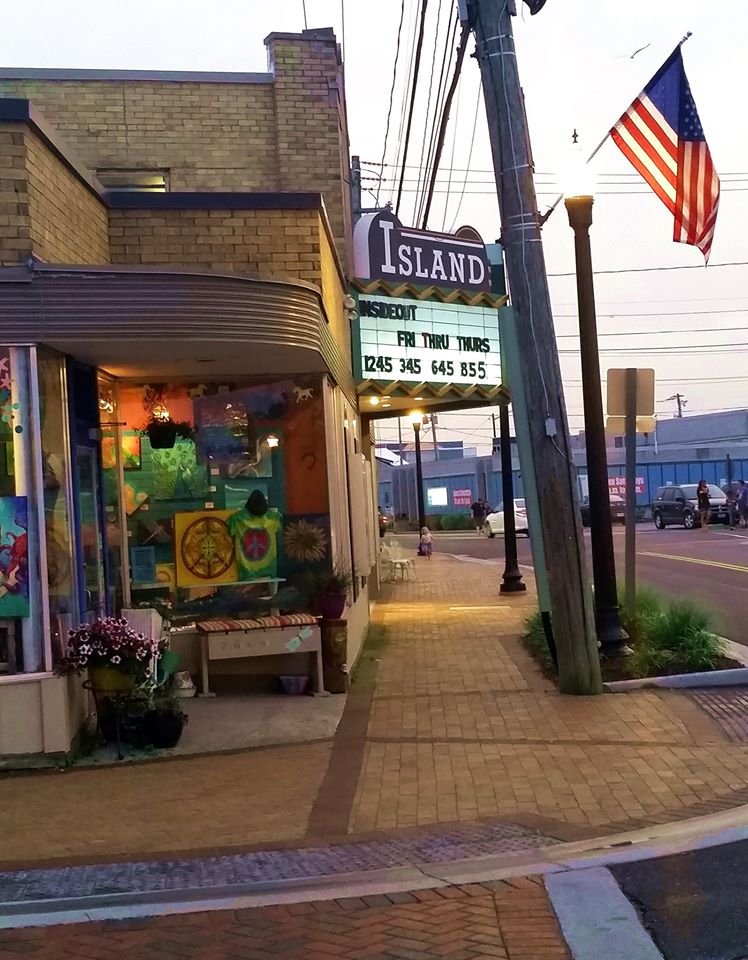
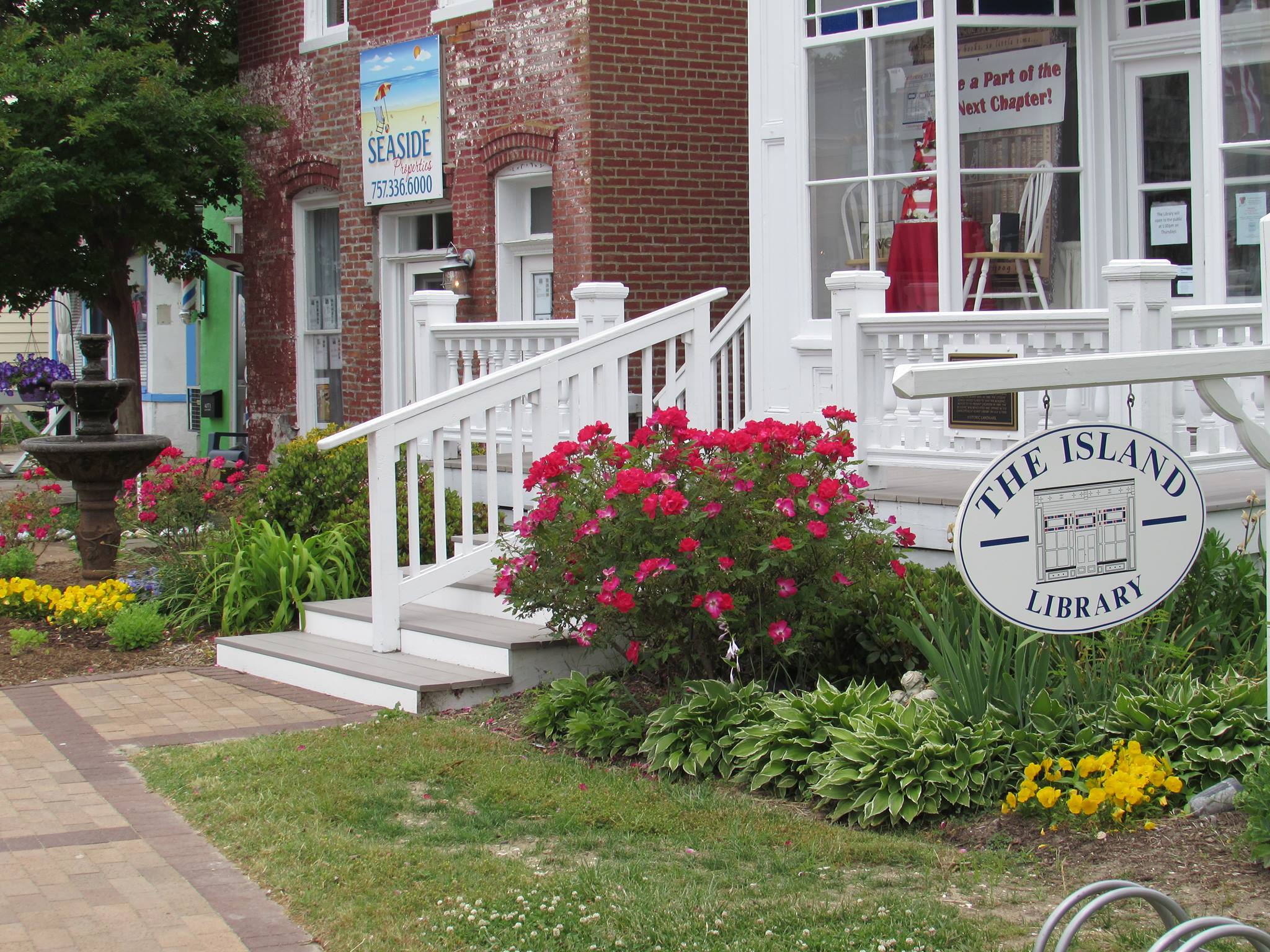
Main Street runs along the Chincoteague Channel, and most of the island’s shops and galleries are on it or a block off it, along with the Island Theatre. Robert N. Reed, Sr. Downtown Waterfront Park has a fishing pier on the channel and hosts outdoor events through the summer. AlleyOops Express has arcade games and duckpin bowling for a rainy afternoon, and the Chincoteague Island Farmers and Artisans Market runs on Saturdays in season. The Island Library sits on Main Street too, behind a garden of roses and hostas.
Main Street’s merchants run two scavenger hunts each year: Death by Chocolate in February and Search for the Shamrocks near St. Patrick’s Day. History walking tours and evening lectures run through much of the year, and the Chamber’s events calendar lists them week by week.
On the water
The best way to see Chincoteague and Assateague is from a boat. Cowboy Cruise Company, run by Hunter and Ayden, offers Pony, Teaguer and Shellfish tours. Daisey’s Island Cruises runs pontoon tours with several local captains. Local captains know the island’s history and where the wildlife is, and they’ll point out what you’d miss on your own.
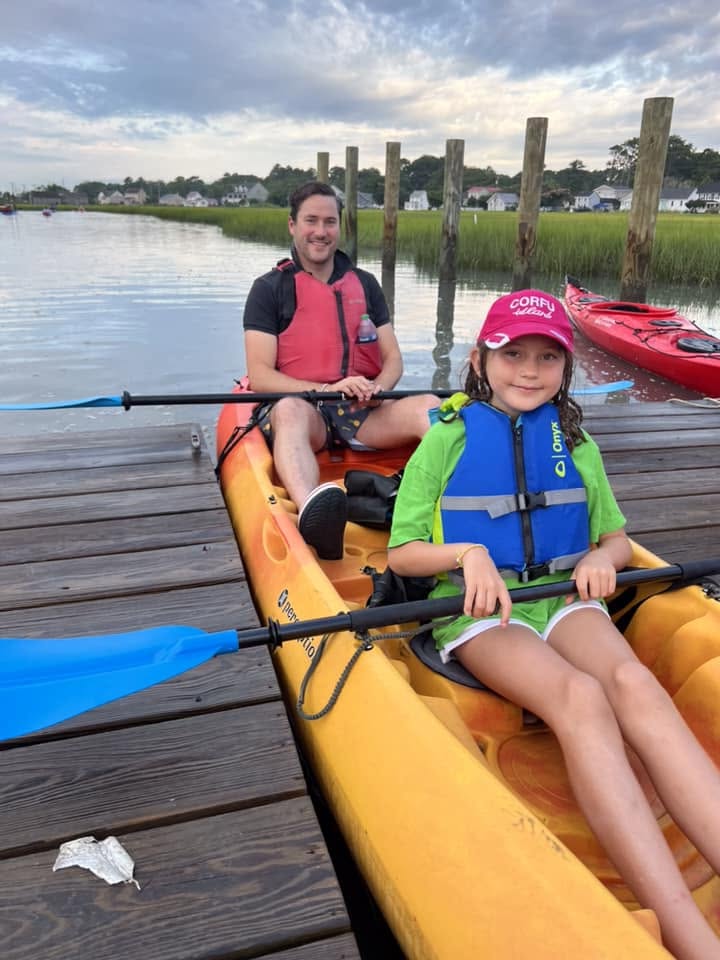
Kayakers love the summer and fall months, guided or on your own. Chincoteague Island Outfitters rents kayaks and paddleboards, delivers anywhere on the island, and will pick a route for you based on the tide that day. Local shops also rent small fishing boats and pontoon boats.
The town keeps public fishing piers at Veterans Memorial Park and the downtown waterfront park, plus boat ramps around the island. Our fishing and hunting page lists them, along with the island’s duck hunting guides and our hunter’s rate.
Birds in town
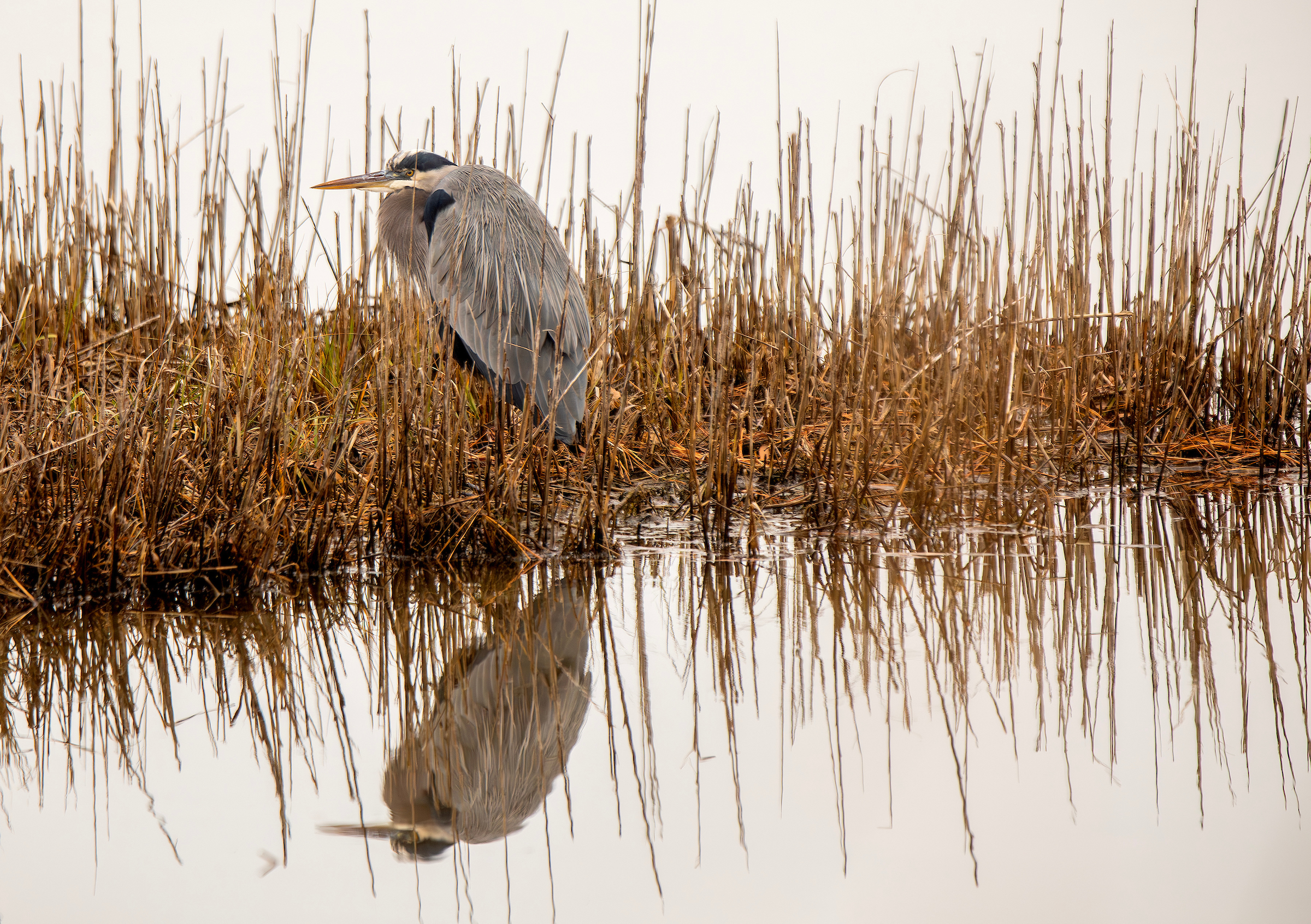
Chincoteague is a stopover on the Atlantic Flyway for snow geese, songbirds, shorebirds and ducks of every kind, and you don’t have to cross to Assateague to see them. The Island Nature Trail on Hallie Whealton Smith Drive is a paved seven-tenths-of-a-mile loop with benches along it. Birders will want to reserve a room on the pine side, and our BirdWeather station keeps a running count of the species it hears on our property. Our month-by-month birding guide covers the refuge in detail.
Parks and getting around
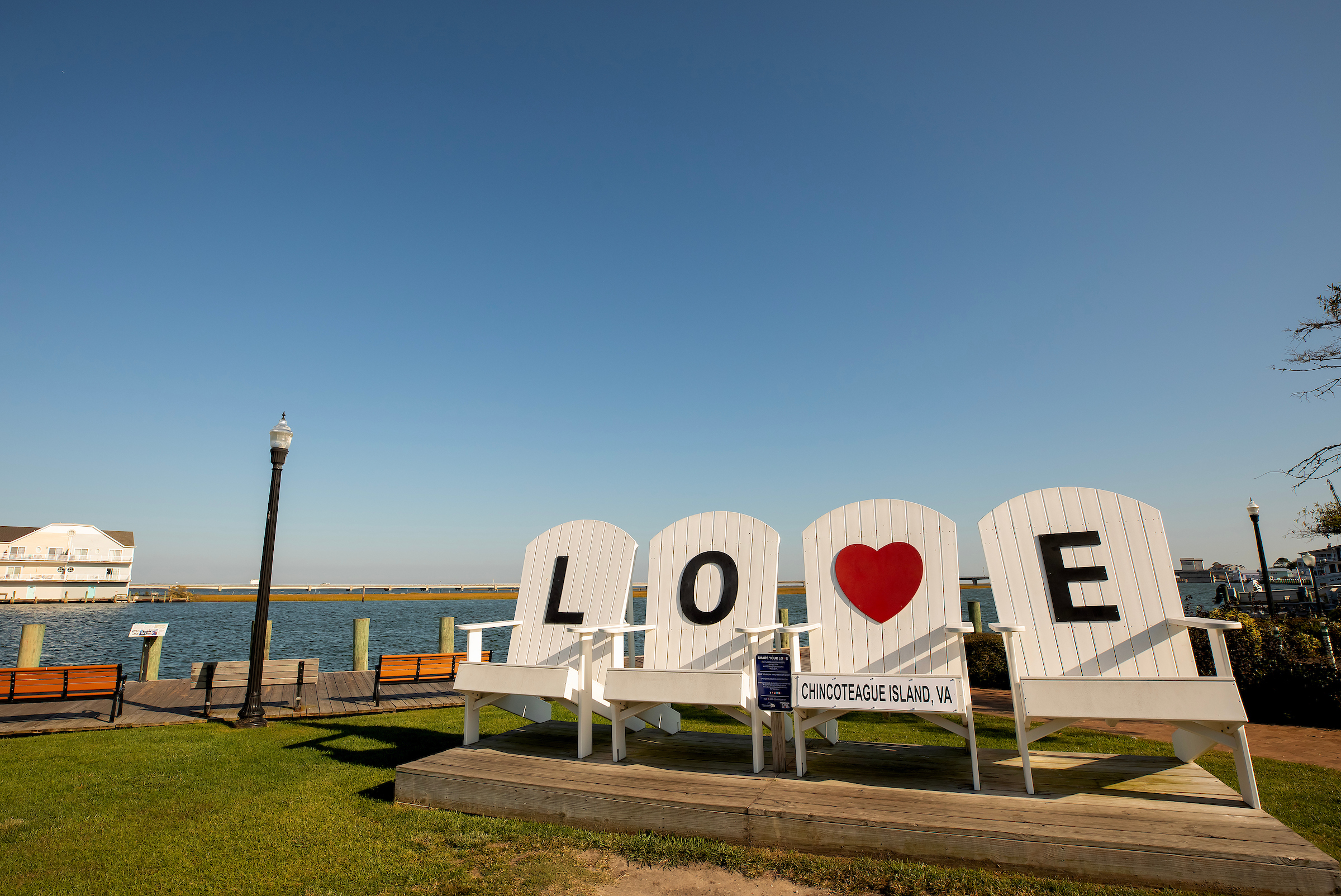
Veterans Memorial Park on Eastside Road has a playground, a fishing and crabbing pier, tennis and basketball courts and a boat ramp. Brianna’s Kindness Park at Smith and School Streets has a sensory playground built for every child, adult fitness equipment and a pavilion. Our families page lists more for children of every age.
The island is small enough to get around by bike, and the Bike Depot on our property rents them by the hour or the day. In summer the Pony Express trolley runs around the island; the Chamber posts the current trolley schedule.
The island’s year
Winter. On New Year’s Day, islanders in costume run into the ocean for the Polar Pony Plunge, hosted by Christmas by the Sea. In February, Main Street’s shops hold Death by Chocolate, a chocolate scavenger hunt with a prize drawing at the end. Snow geese and tundra swans are plentiful throughout the refuge. Duck season brings hunters out with local guides before dawn for black ducks, brant and sea ducks.
Spring. Around St. Patrick’s Day, families go shop to shop, solving riddles for Search for the Shamrocks. Carvers, painters and photographers set up at the Chincoteague Combined School for the Easter Decoy and Art Festival. In early April the Saltwater Cowboys round up the wild herds for their spring checkups, and the Seafood Festival is held at Tom’s Cove Park on the first Saturday in May.
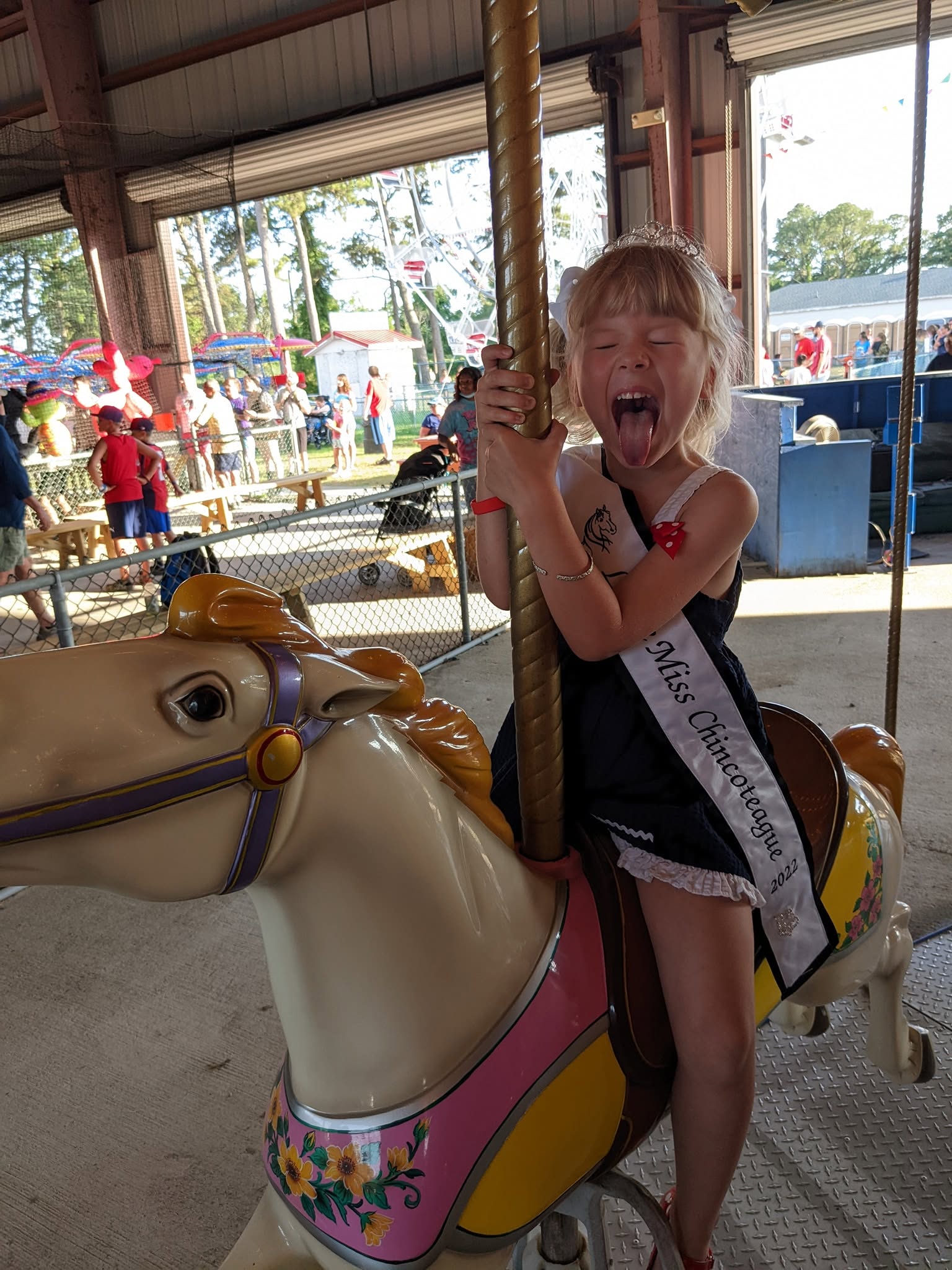
Summer. The beach is the main attraction while the weather is warm, and the small town’s population swells during its most popular season. The Firemen’s Carnival opens on weekends in late June and runs every night of Pony Penning week. The Blueberry Festival takes over the Chincoteague Center the week before Penning. Chincoteague Homecoming, also known as Pony Penning, takes place in late July.
Fall. The cowboys bring the herds in once more for the fall roundup. The Oyster Festival is held at Tom’s Cove Park on Columbus Day weekend. Over Thanksgiving weekend the refuge opens its Service Road to cars for Waterfowl Weekend, the town lights its Christmas tree on Saturday, and the Old-Fashioned Christmas Parade comes down Main Street the following weekend.
The Chamber’s events calendar has this year’s dates, and our specials page lists current offers.
Before you go
- Chincoteague Chamber of Commerce: visitor information, events and travel guides
- Museum of Chincoteague Island: local heritage, Misty and the Beebe Ranch
- Chincoteague Cultural Alliance: the farmers market, performing arts, classes and storytelling
- Chincoteague Island Arts Organization: movies and music
- Christmas by the Sea: the Polar Pony Plunge and Christmas on Chincoteague
- Chincoteague Center: events, weddings and conferences
Questions about Chincoteague
What does “Chincoteague” mean?
The island carries the name of the Indigenous Chincoteague people, who lived on the mainland nearby and came here to gather shellfish. Islanders have called it “beautiful land across the water” for generations.
Is Chincoteague the same island as Assateague?
No. Chincoteague is the island with the town on it. Assateague is the barrier island next door, with the wildlife refuge, the wild ponies and the beach. A bridge at the end of Maddox Boulevard connects them.
Is there a beach on Chincoteague?
The island’s beach is on Assateague, about three miles from us by bike or four by car.
Where can I eat local oysters?
Our favorites are The Village, Bill’s, Captain Zack’s and Pico Taqueria, and the Seafood and Oyster Festivals each spring and fall.
Do I need a car once I’m here?
Not usually. Most of what you’ll want is on Maddox Boulevard or Main Street, and the Bike Depot on our property rents bikes. You’ll want a car to get here.
Book a pine-side room for the birds or a pony-side room for the ponies, and let us tell you where to eat.
Booking for a group? Call us at (757) 336-5511, or: