Chincoteague Ponies
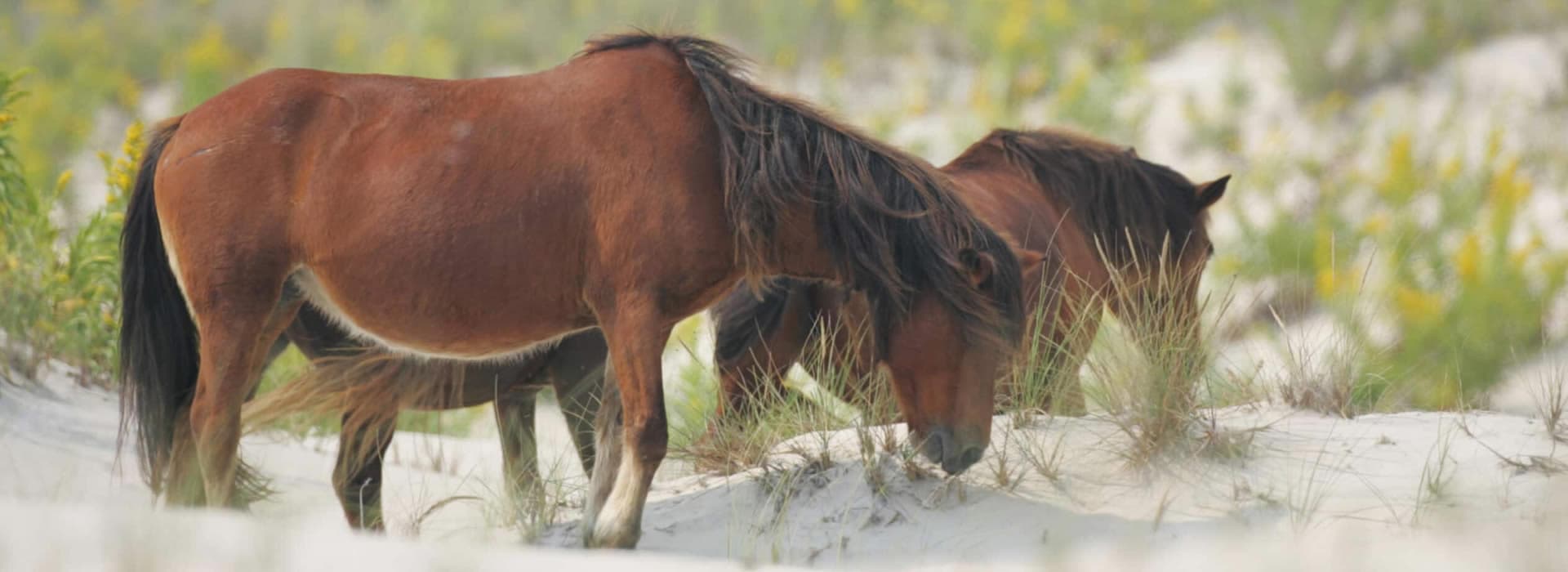
Wild on Assateague, at home in the Refuge Inn pasture
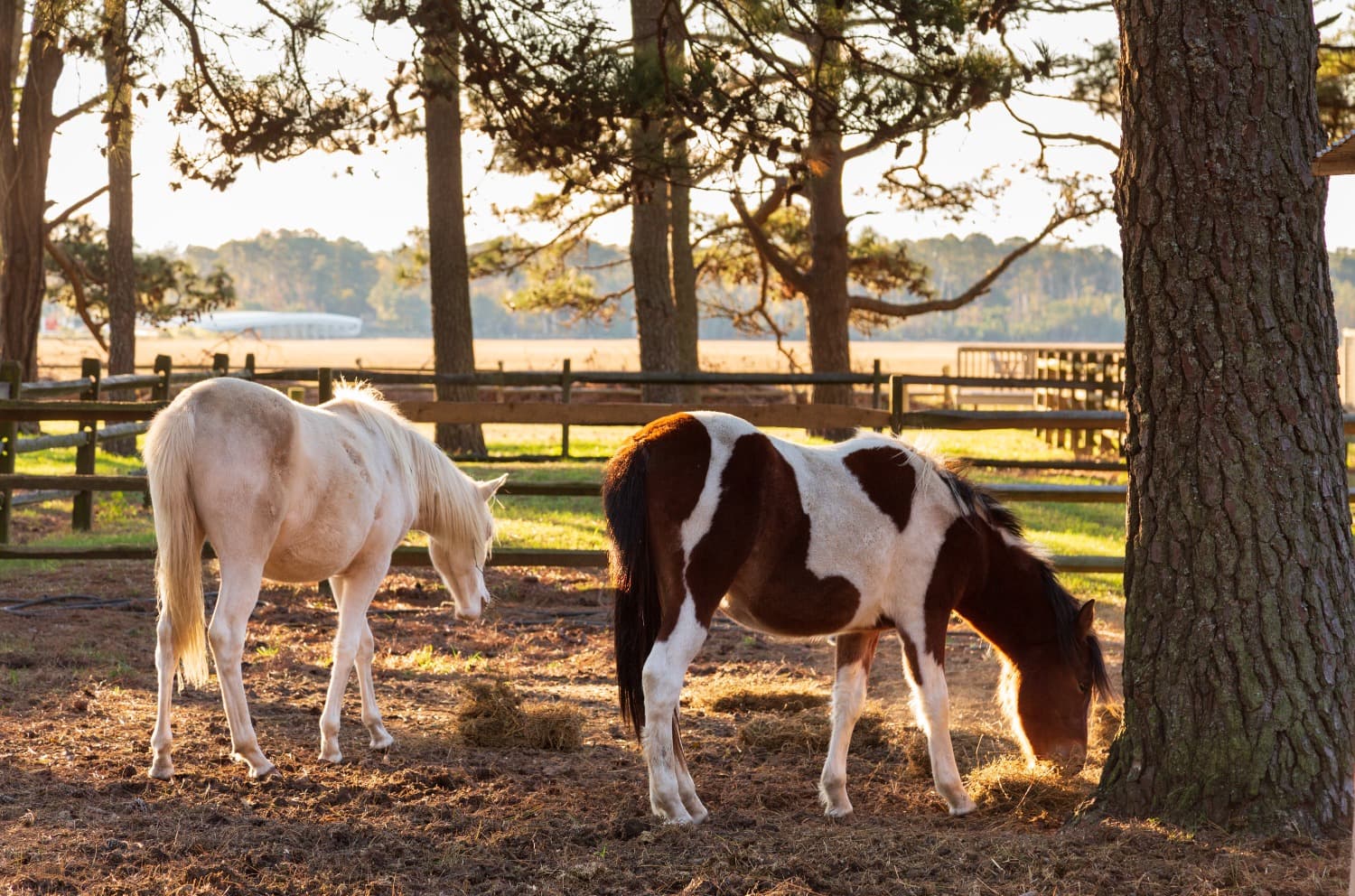
Ponies live in the pasture across from our rooms, and you'll see them out there every morning. Guests come out with coffee before breakfast to watch them, and a fair number ask for the same second-floor room the following year.
Those ponies belong to our family's Chincoteague Pony Farm. Refuge Inn's founder, Don Leonard, bought his first horse at twelve and spent his boyhood at the Beebe family farm — the real-life home of Misty of Chincoteague — learning to gentle wild foals. When he and Martha moved into the motel they had just built in 1973, he brought a few of his herd along. His family has been in the middle of the Chincoteague pony story ever since. His son Arthur runs the family farm, his grandsons ride with the Saltwater Cowboys — the Fire Company volunteers who manage and round up the wild herd — and the buyback program, which auctions a chosen foal's naming rights to help fund the fire company, was something Don started.
The wild herds’ domain begins a quarter mile from our front door, on Assateague — the barrier island just over the bridge, kept wild inside a national wildlife refuge.
The Ponies at Refuge Inn
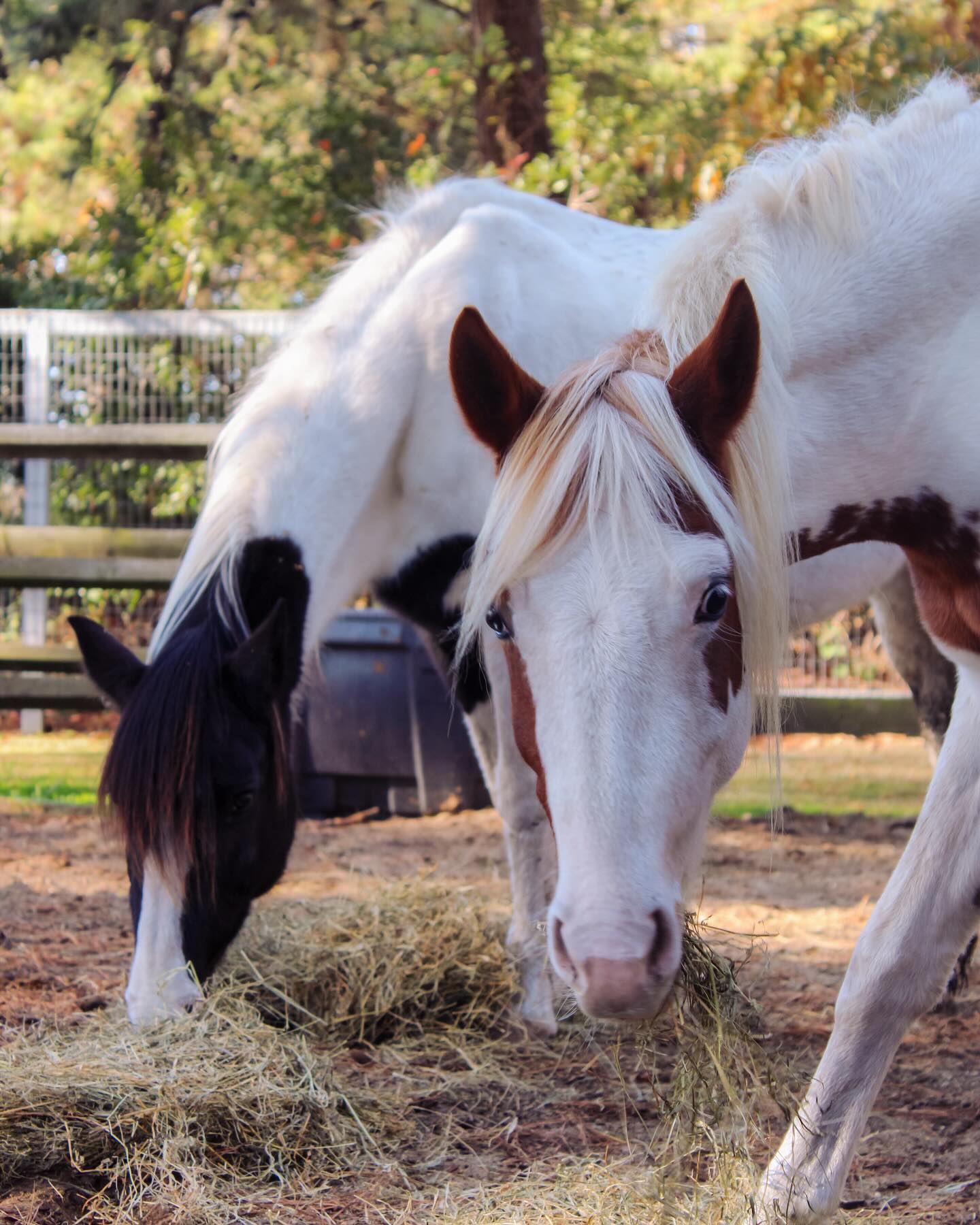
The ponies across from the rooms are usually the regulars: Martha, Honeymoon, Luna, Corona, and Pocahontas. They belong to the family's Chincoteague Pony Farm at the north end of the island and rotate out to the farm and back, so who is in the pasture changes over a season. Guests who come every year keep track of who is in.
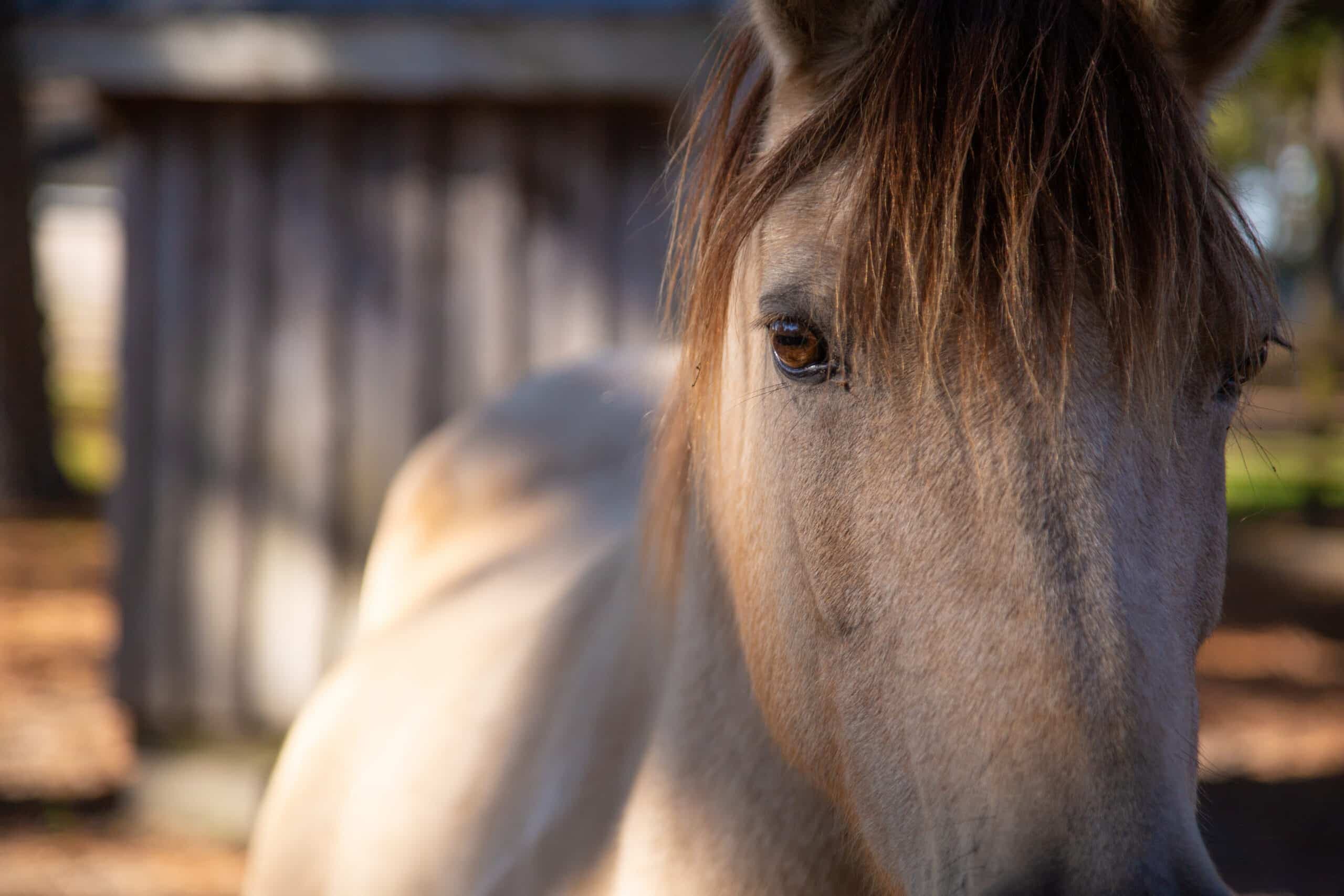
They're wild the same way the herds on Assateague are — not halter broken, not trained to ride — but the farm ponies are used to people. They'll come straight to the fence when they see you.
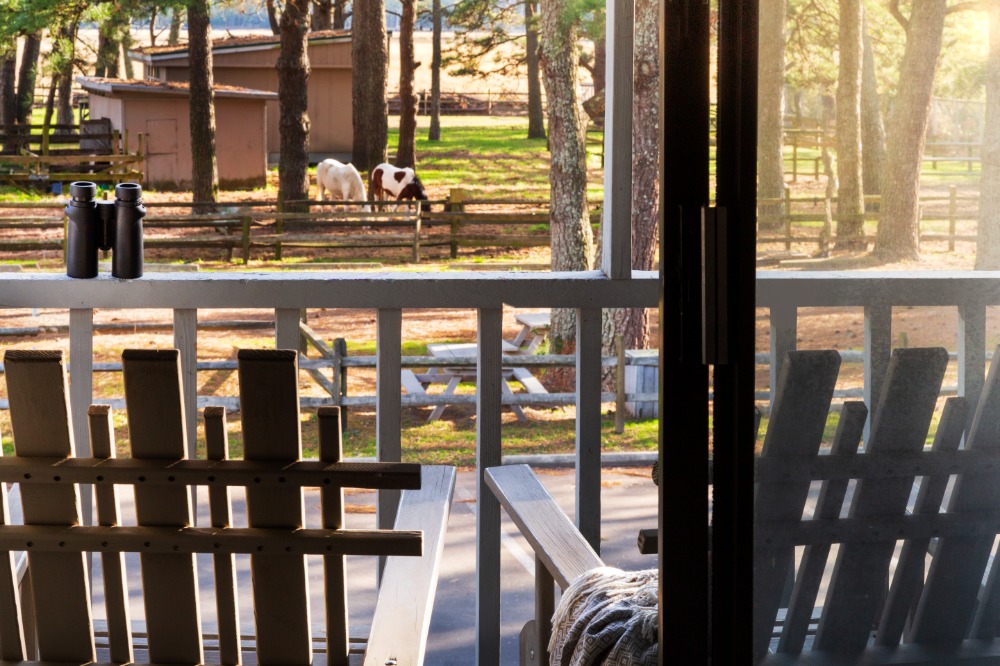
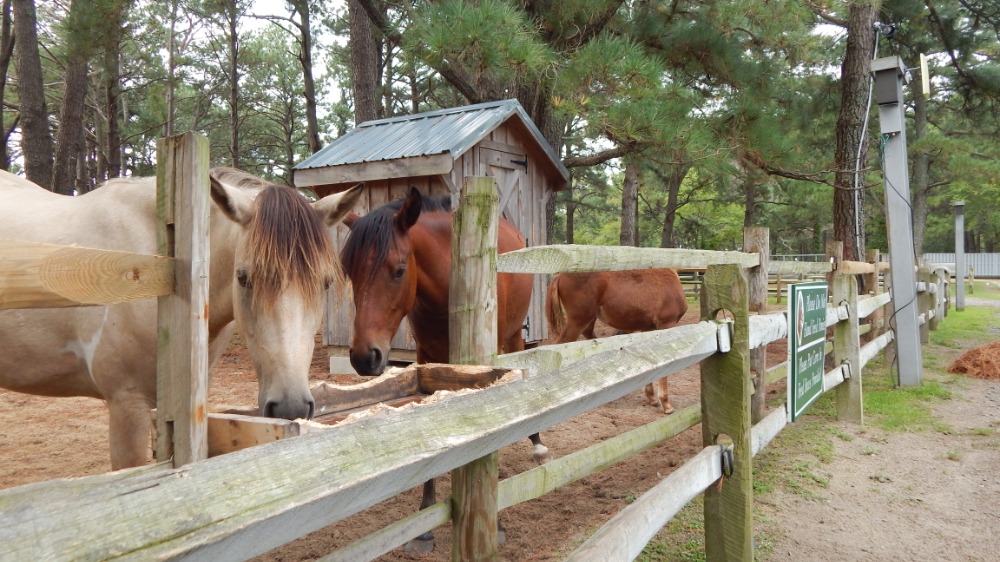
Pasture-side rooms on the second floor look right out over the herd. Add a note to your reservation asking for an upstairs pony-side room, and we’ll do our best to honor that request.
Where to See the Wild Herds
The wild herds live on Assateague Island, inside the Chincoteague National Wildlife Refuge, which begins a quarter mile from our front door. You will need a refuge entrance pass, available at the gate by cash or card; any national parks pass covers everyone in your vehicle.
There are two wild herds on Assateague, split by a fence at the Virginia and Maryland state line. The Maryland herd to the north belongs to the National Park Service. The Virginia herd to the south, the one you will see from Beach Road and the one that swims each July, belongs to the Chincoteague Volunteer Fire Company. The Fire Company works its herd as a northern group and a southern group, which is why you will hear about two separate roundups in the same week.
These are also not the ponies in our pasture. They are wild, they bite and they kick, and the refuge asks visitors to stay roughly forty feet back and never to feed or touch them. People get hurt every year doing otherwise.
Three places reliably worth your time:
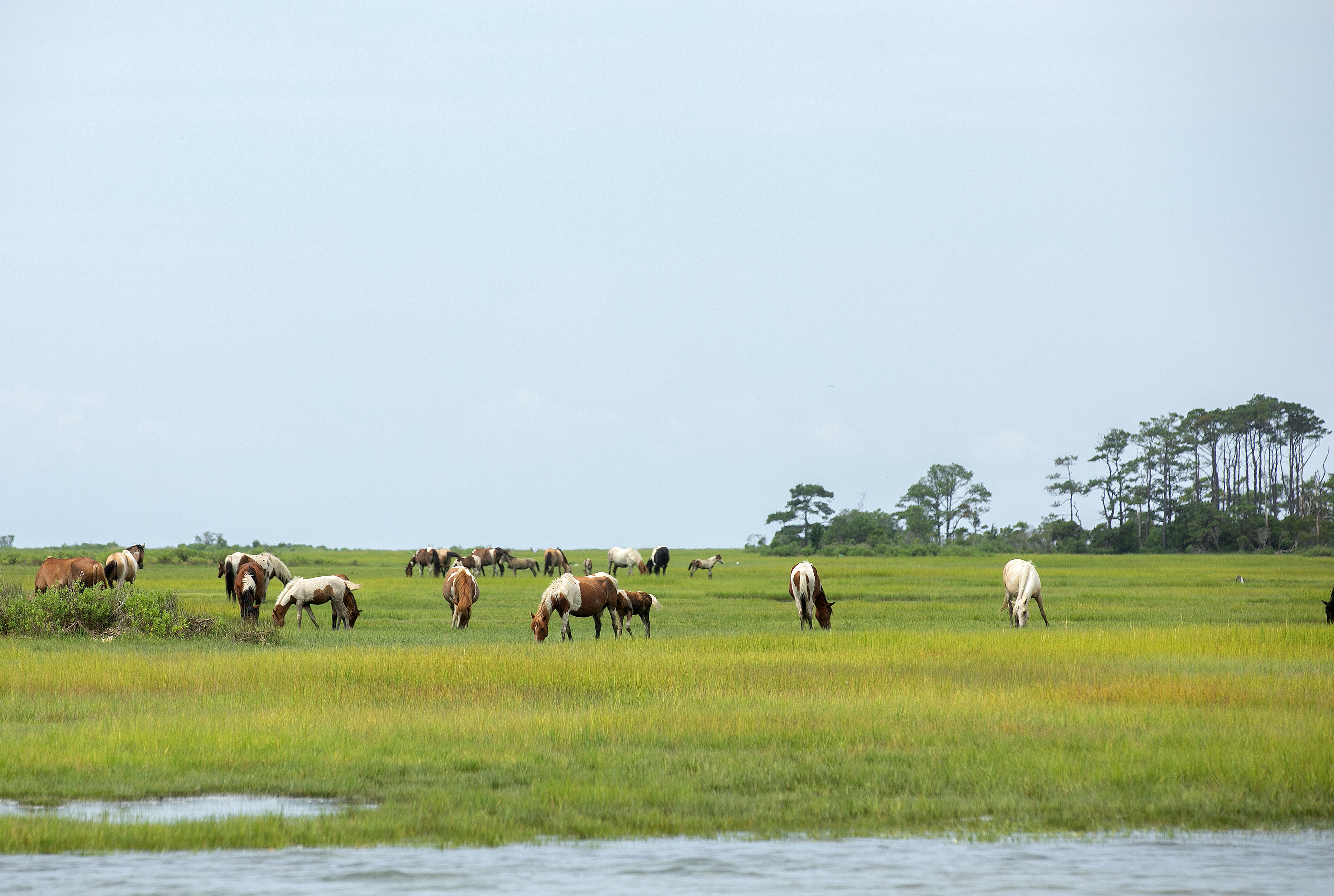
- Black Duck Marsh, along Beach Road. Look to your right at the first clearing after you enter the refuge. Early morning and the hour before sunset are best.
- The Woodland Trail pony overlook. A short, flat loop through the loblolly pines with a viewing platform over the southern herd's marsh.
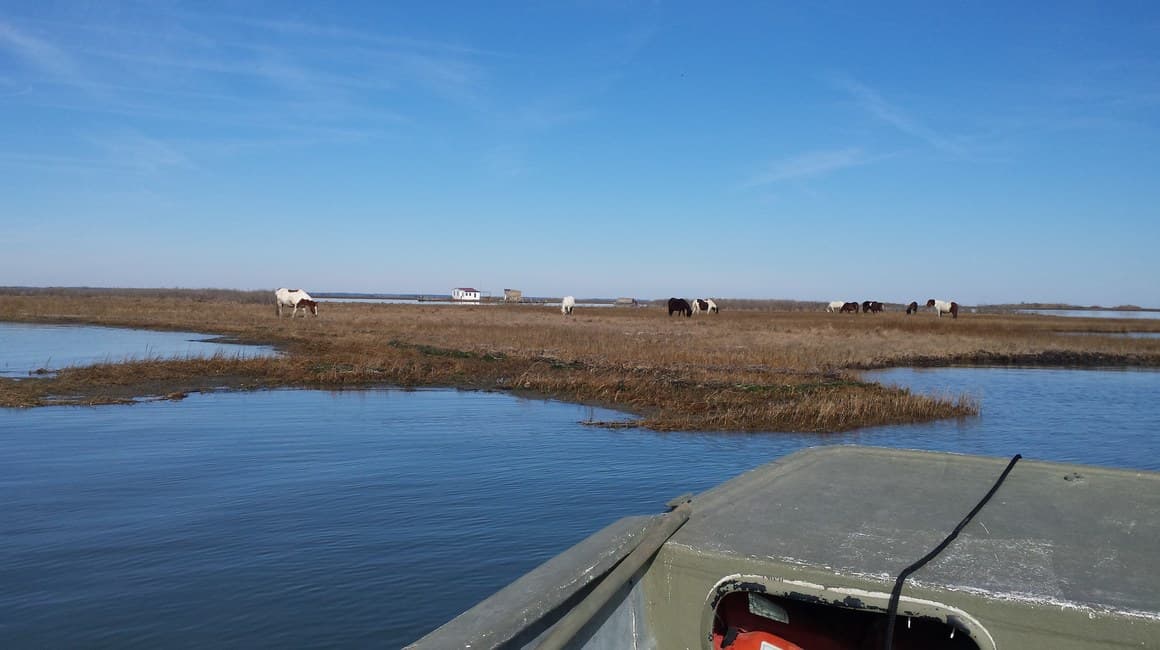
- From the water. A boat tour gets you closer than any road will, and the captains know where the bands have been that week. Cowboy Cruise Company runs them; Daisey's Island Cruises is a good second option if they're booked.
Where the Ponies Came From
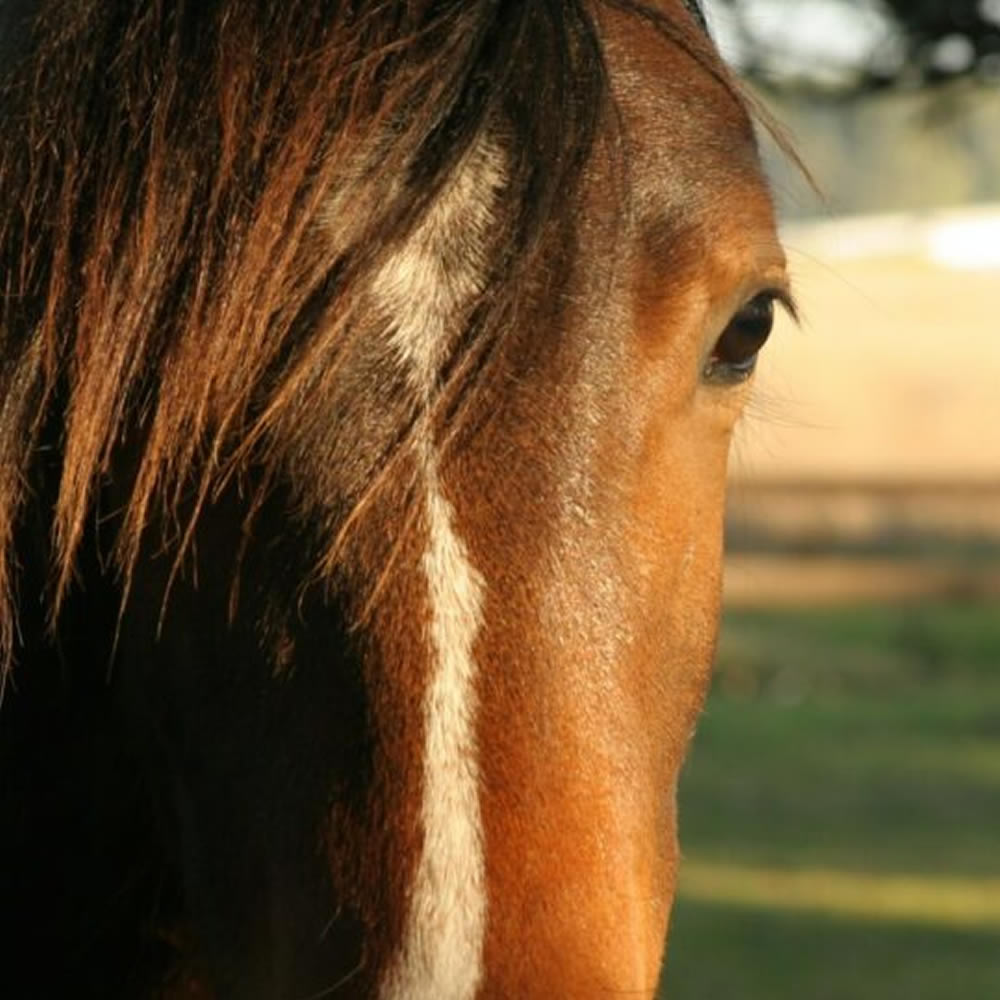
Horses aren't native to North America, so the ponies arrived somehow and then got loose. There are three stories about how. A Spanish ship carrying them wrecked offshore and they swam free, which is the version Mrs. Marguerite Henry made famous in Misty of Chincoteague. Blackbeard left them for a wife he kept out on Assateague. Or colonists turned their livestock across the channel to dodge fencing laws and the tax on every head they owned, which is the version Don Leonard told for decades.
Nobody has proved any of them, though a horse tooth dug up in Haiti gave the Spanish theory a real boost in 2022. We went through all three, and the DNA, in Where Did the Chincoteague Ponies Come From?
However they got here, what happened next is not in dispute. They adapted. They grew thick, shaggy coats. They learned to live on salt marsh grass, which is why they are pony-sized rather than horse-sized. A grown Chincoteague pony stands twelve to thirteen hands, a little over four feet at the shoulder, stocky and thick-maned and rounder in the belly than most people expect. They also found fresh water on a barrier island, which surprises nearly every visitor who asks.
Don called them "a Heinz 57 variety," meaning a mongrel of everything, and he was right. The Fire Company has introduced outside bloodlines over the years with mixed results. Mustangs were brought in from out west. They had shorter tails, and their descendants still show the trait. Then, in 1995, a purebred Arabian stallion named Premier was released into the wild herd. He bred sixteen Chincoteague mares and left ten foals, and you can still pick out the fine Arabian head and the thick arched neck in the wild herds today.
Premier spent time on the Leonard farm before he was released. Three of the mares who stand in our pasture — Luna, Honeymoon, and Martha — are his descendants. They still run like Arabians, necks forward and tails out.
The Family Behind the Herd
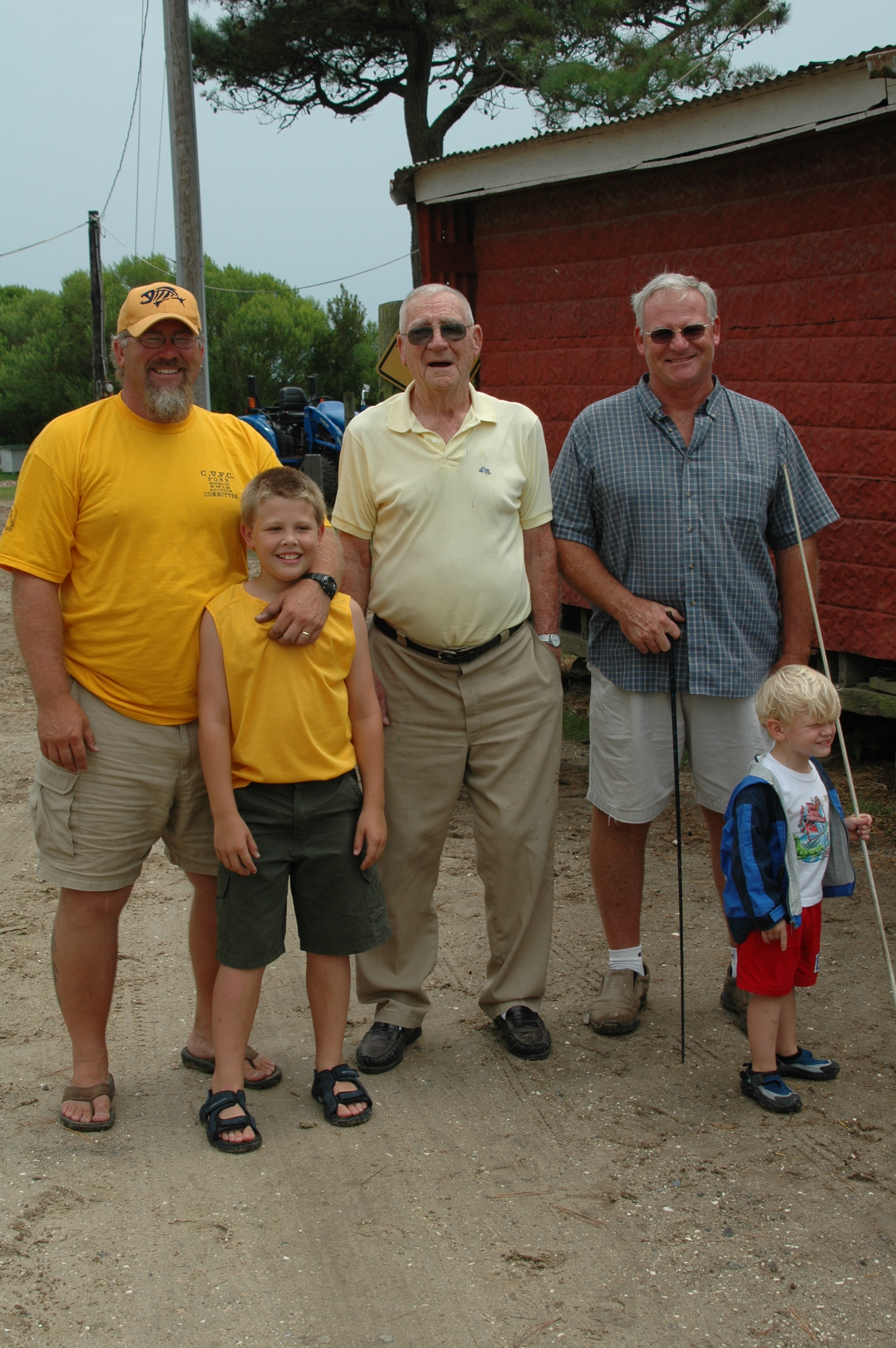
Don Leonard was a lifetime member of the Chincoteague Volunteer Fire Company and a Saltwater Cowboy for decades. His great-grandfather, Kendal Jester, grazed ponies at the north end of the island, at a place called Wildcat. Don bought that ground back in the early 1960s when most people told him it was worthless marsh, cleared it, and put a herd on it. He served as Pony Committee Chairman, worked as press agent for the Fire Company during Pony Penning, and carried reporters out on his boat to watch the swim. He fed his own herd on Leonard Lane all winter, and he had them trained to come running when he hollered "COME UP, CUH-BAY" into the wind.
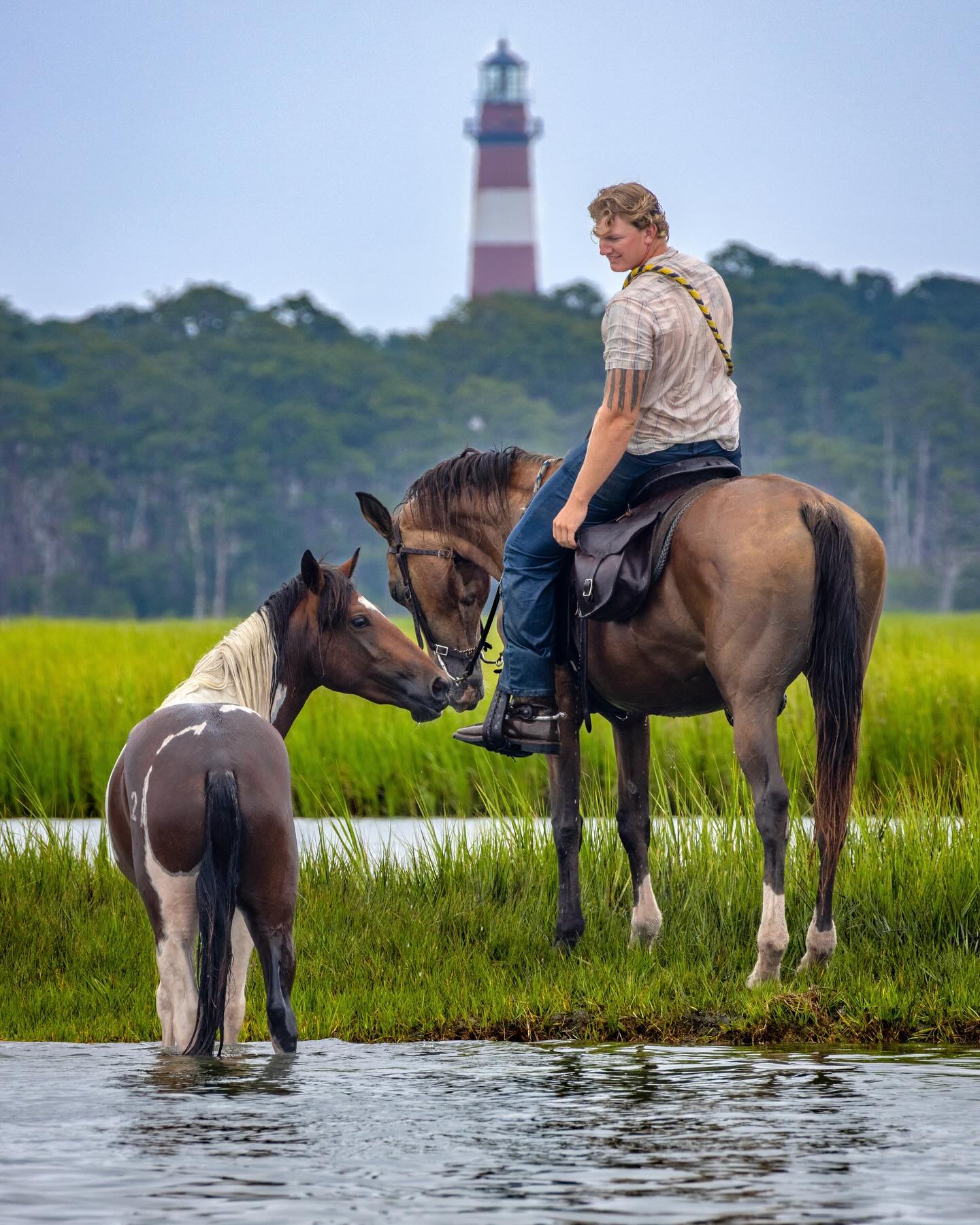
Don died in 2010. Arthur has the farm now, and Hunter and Ayden ride the roundups and wrangle foals on auction day.
When an orphaned foal turns up on the marsh, it goes to the farm on Leonard Lane. In August 2025 a palomino filly lost her mother overnight. Hunter spotted her from his tour boat and could tell that the mare standing over her was not hers. He and Arthur went back out in the Fire Company's Polaris and brought the foal home to the farm, where a mare named EJ, whose own foal had been weaned days earlier, took to her within seconds. It's usually the mare who takes convincing, not the foal — getting her to accept an orphan like that takes days of coaxing, and plenty never take at all. It's stressful and can be dangerous for everyone involved. We wrote up the full story of Foal 102.
In 2025 the writer Susan Orlean came to Chincoteague for Garden & Gun, and she opened her story on the centennial Pony Swim with the youngest cowboy in the family. Hunter's son Brooks was not quite three years old at the time, and he had already worked out that you holler "Hey! Hey! Hey!" from a pony's back the way the grown men do on the roundup. Orlean counted him as a fifth-generation Saltwater Cowboy, and noted that his great-great-uncle rode in the very first pony penning in 1925, as has every man in the family line since.
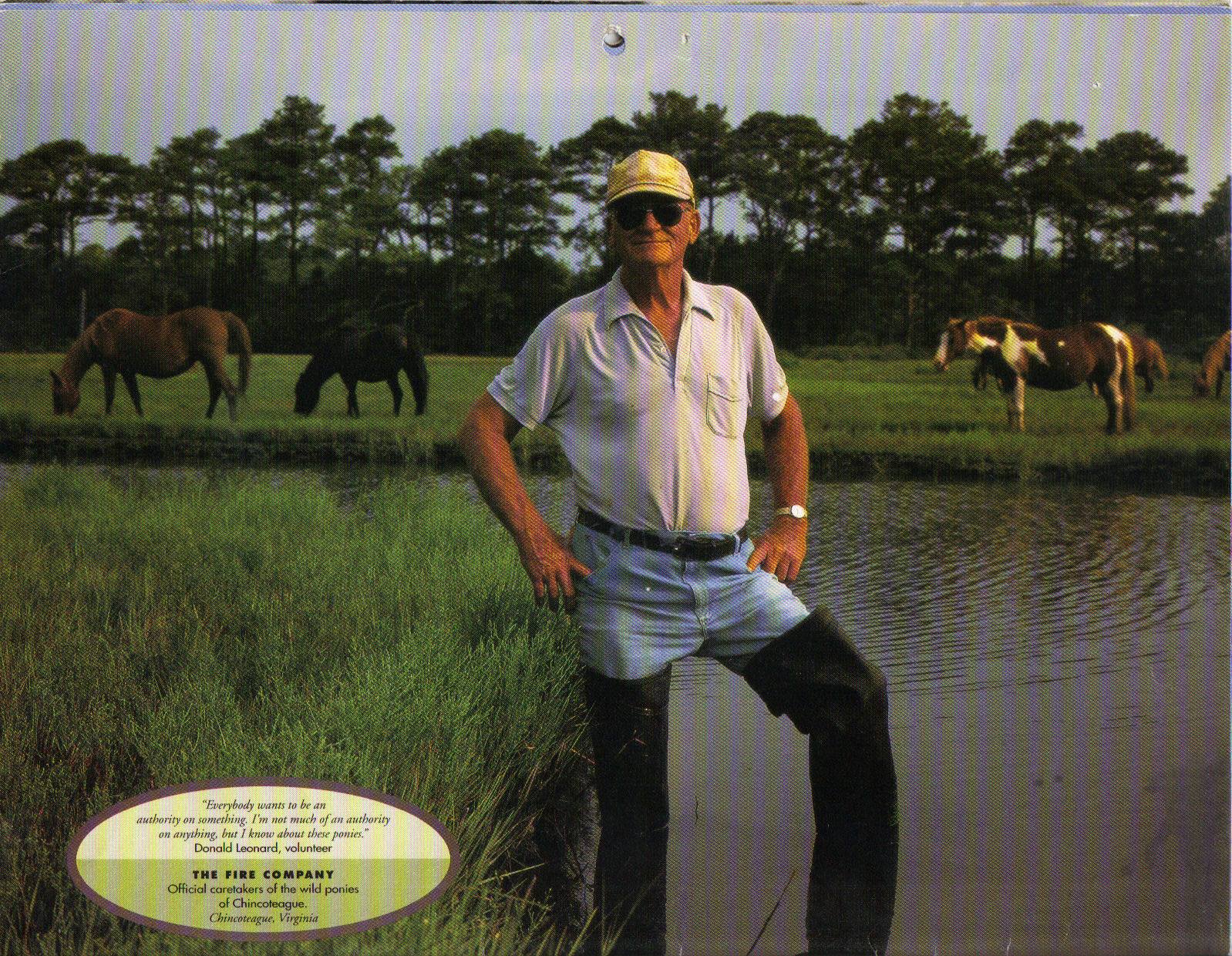
A photograph of Don standing in the marsh in front of his herd was taken for a calendar about everyday heroes. The caption under it reads: "Everybody wants to be an authority on something. I'm not much of an authority on anything, but I know about these ponies."
Riding With the Saltwater Cowboys
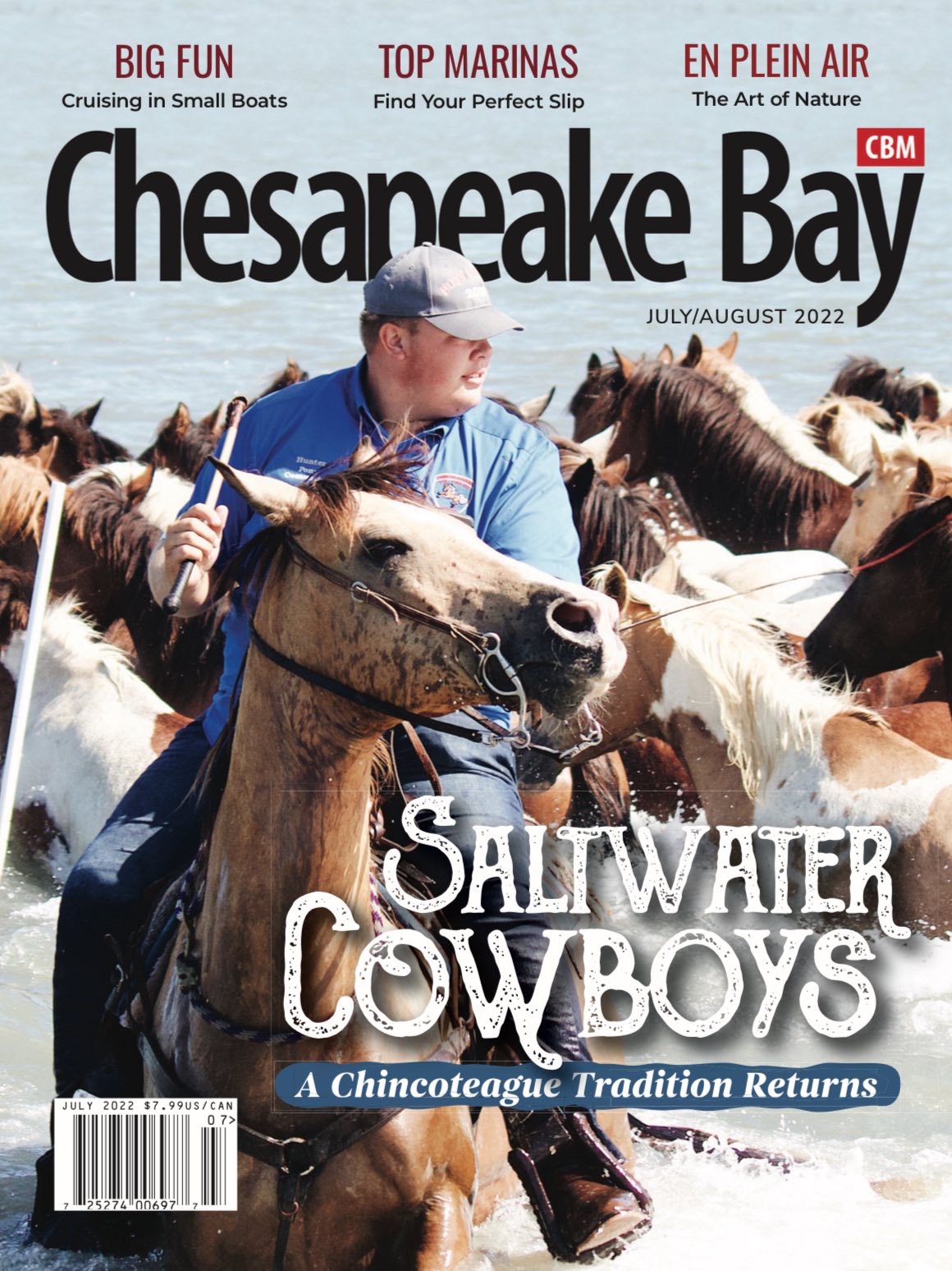
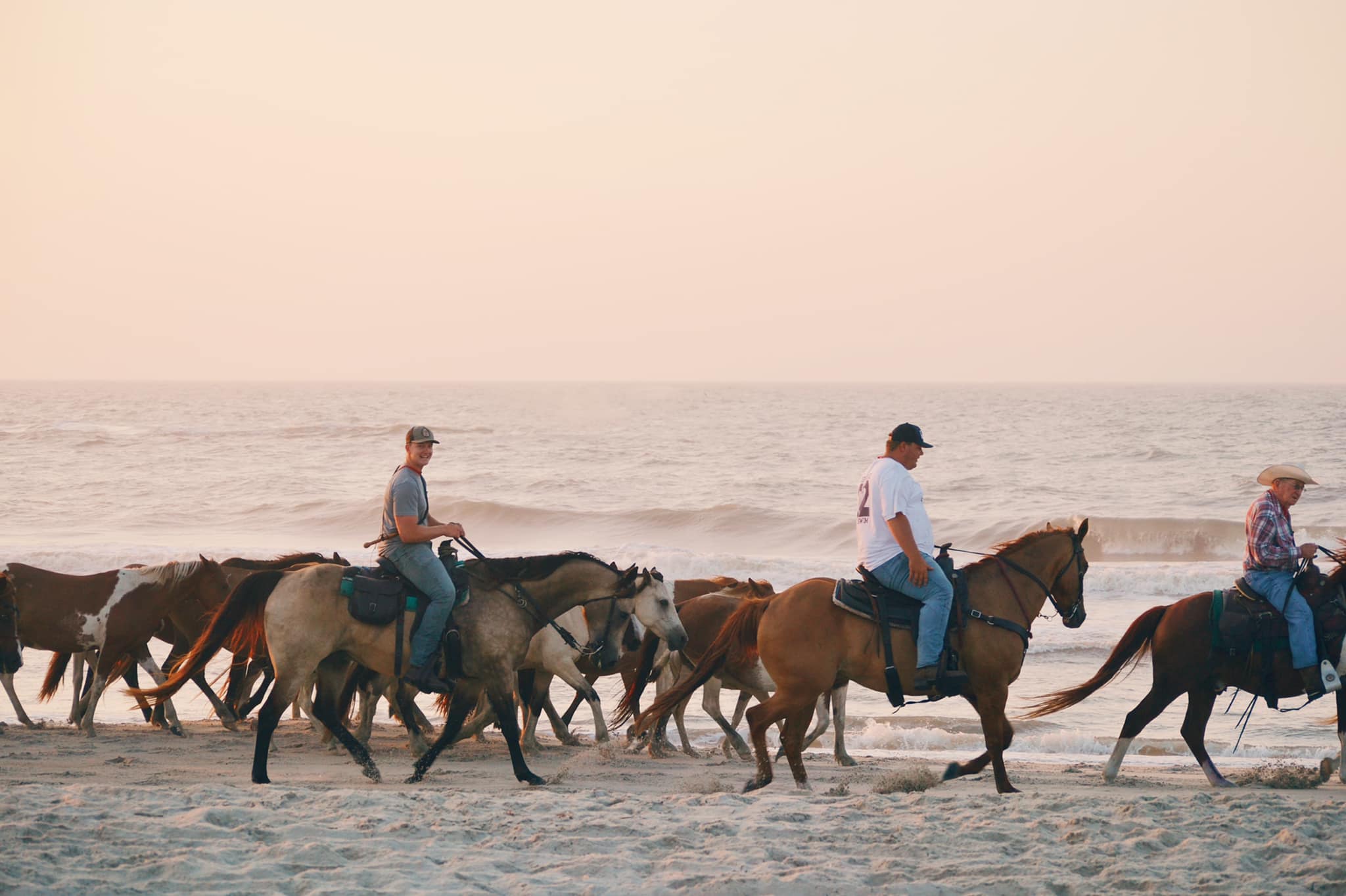
That is Hunter on the cover. He and his younger brother Ayden run Cowboy Cruise Company out of the harbor, and they describe it as getting up close with a pony expert who also manages the wild herd.
Hunter calls himself a fourth generation Saltwater Cowboy, one more than the three generations who have run the Inn. The line runs back through Don’s uncle Henry — a founding member of the Chincoteague Volunteer Fire Company — to the first pony penning in 1925, and a Leonard has taken part in every one since. On the water he can tell you which band you are looking at, which mare is which, who her foals were, and what year each of them was born. He also took a marine biology degree at William and Mary and spent years interning at the Virginia Institute of Marine Science, so the birds and the oyster grounds get the same treatment. Ayden sits on the Pony Committee and rides the roundups himself.
They run pony tours year round. They also run oyster and clam trips, where you get out of the boat, dig hard clams by hand, and shuck a Chincoteague salt oyster standing in the water it came out of.
Pony Penning and the Pony Swim
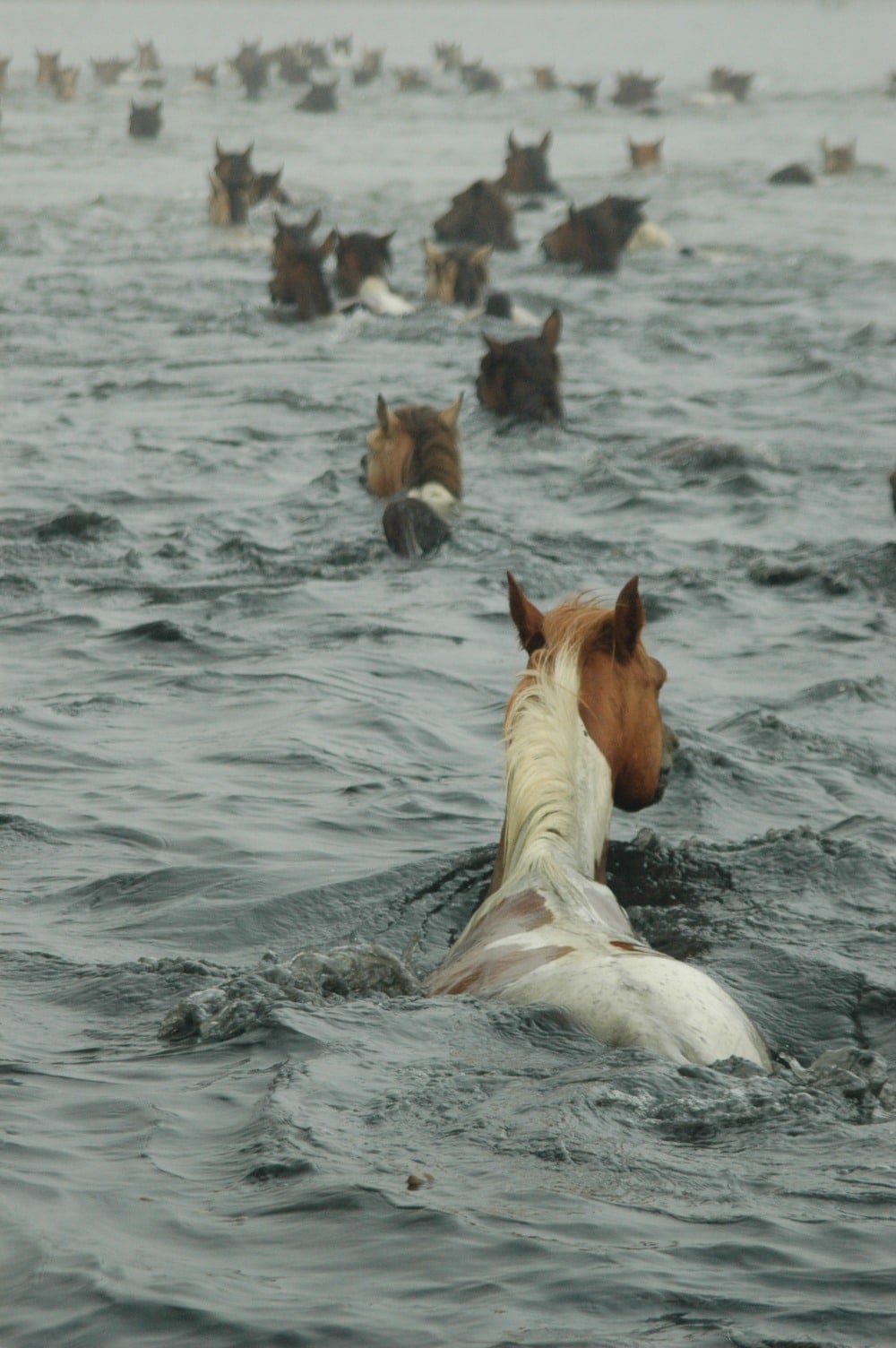
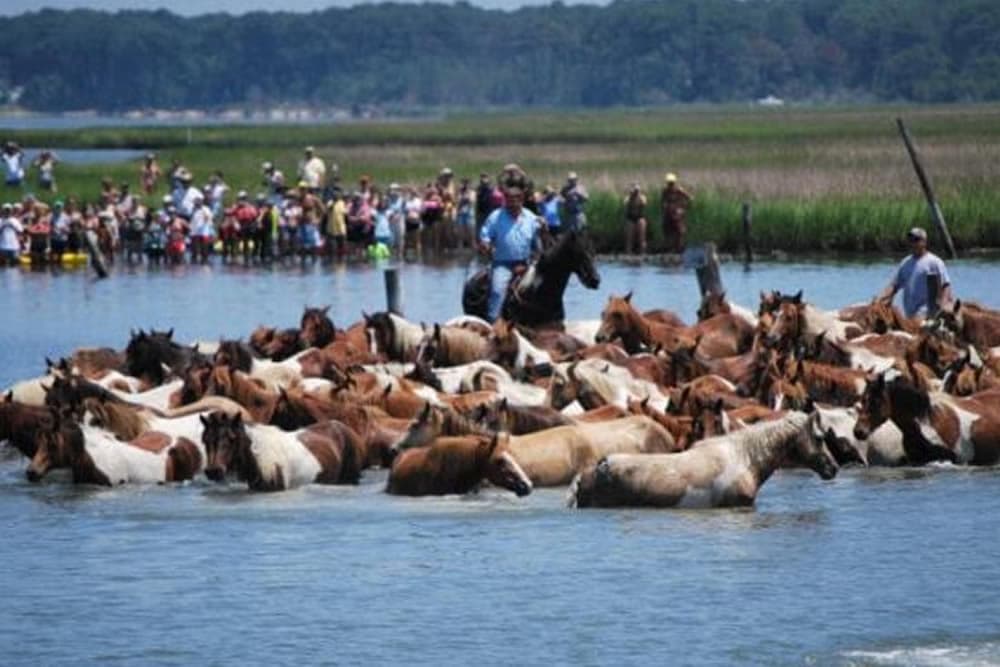
The Virginia herd belongs to the Chincoteague Volunteer Fire Company and grazes on the wildlife refuge under a special use permit from the U.S. Fish and Wildlife Service. That permit caps the herd at roughly 150 adult animals, to protect the refuge’s other resources. Pony Penning is how the Fire Company meets that number.
Every July the Saltwater Cowboys bring both groups in and swim them across the Assateague Channel on a slack tide, the window when the current has gone still and cannot carry a foal away. The first foal ashore that has not already been picked as a buyback becomes King or Queen Neptune. The next morning the foals are auctioned, which pays for the volunteer fire and EMS company that covers this island and for the herd’s veterinary care.
The Fire Company has not always owned them. Through the 1930s most of the Assateague ponies belonged to Joe Pruitt of Greenbackville, who ran the roundup with his own men — Don rode with that crew as a boy, alongside his uncle Henry. Pruitt died in the late 1930s, and the sale of his livestock put the whole tradition at risk. “It was felt that if the firemen didn’t get into the livestock business, they couldn’t have a Pony Penning,” Don told The Daily Times in 1991. The Fire Company bought eighty ponies out of the Pruitt estate, and has owned and managed the herd ever since.
Penning week has its own rhythm, and the dates move with the calendar. It fills every room on the island, with a four-night minimum stay — reserve your dates as soon as you can. We keep the year’s dates, the day-by-day schedule, where to stand and when to get there in our Chincoteague Pony Swim guide. The Chincoteague Volunteer Fire Company and the Chamber of Commerce also post the current schedule.
Buybacks
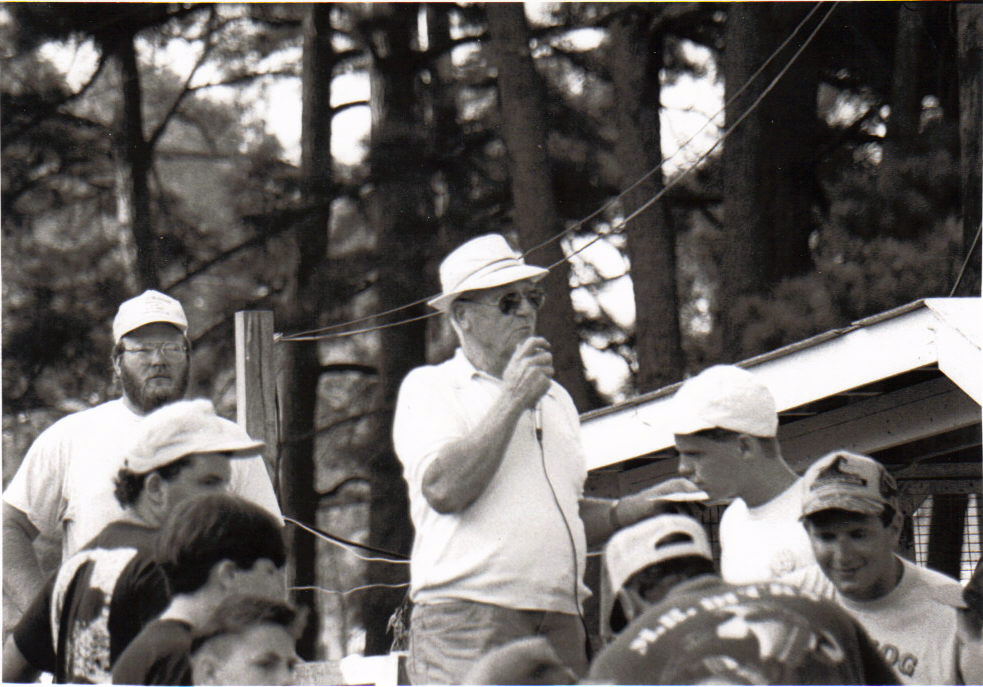
A buyback is a foal the Fire Company has decided to keep. Rather than sell it away from the island, they auction the naming rights. The high bidder makes a donation, names the foal, has a photograph taken with it, and sends it back to Assateague to live wild. It holds good bloodlines in the herd and raises money at the same time.
The buyback program is something Donald brought to fruition after his friend Stan White handed him the idea. As Pony Committee Chairman he donated a foal from his own herd at the Chincoteague Pony Farm and sent it to the auction to get the thing started. His children bid on it and won at around seven thousand dollars, a record at the time. Don was stunned that they had paid all that money for a colt they could have had for free, but they wanted his bloodline running wild on Assateague permanently. It still is. That colt became the Don Leonard Stud, and his son DLS II now holds one of the largest bands of mares on the island.
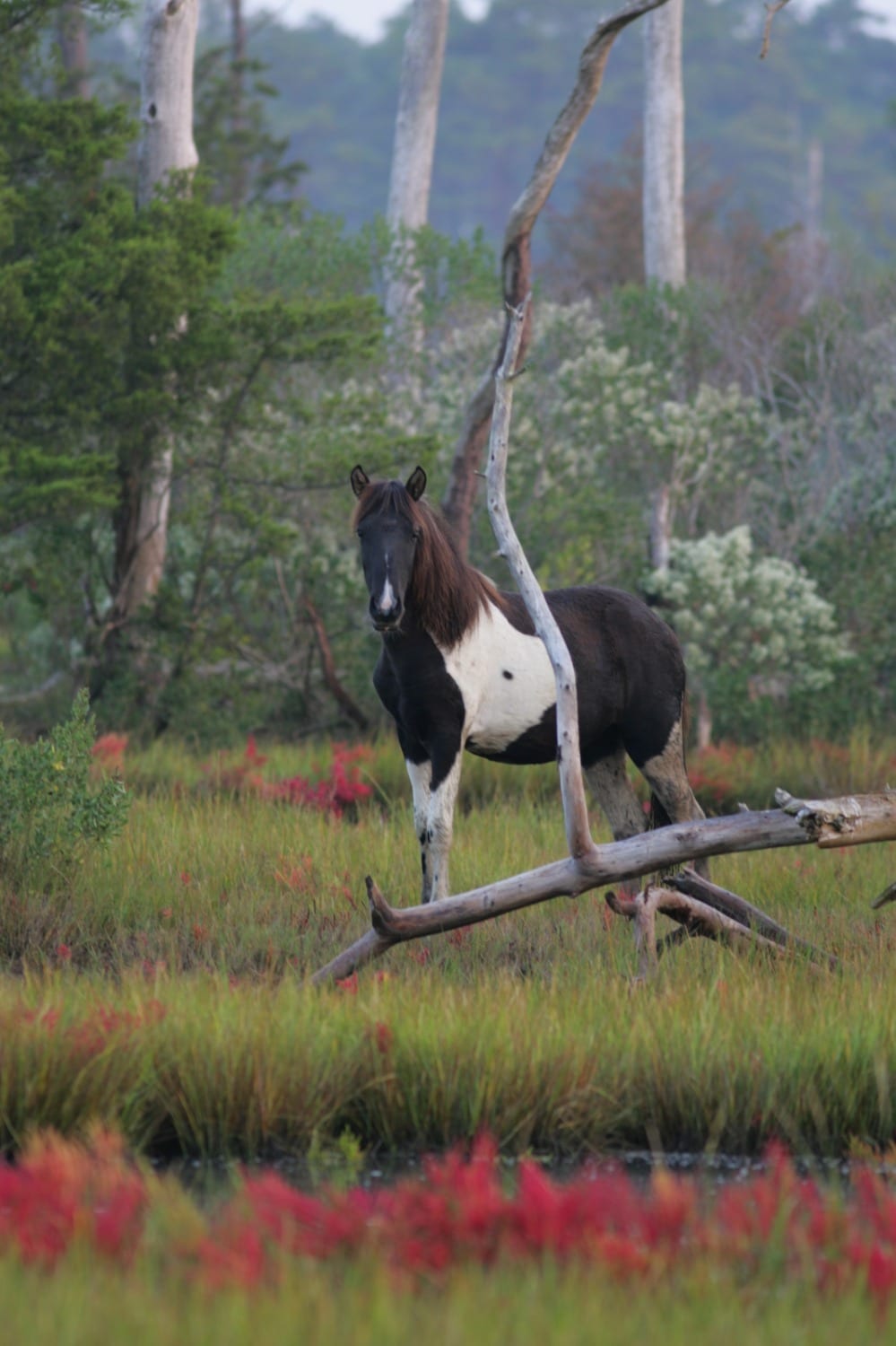
A single buyback foal drew a record $100,000 donation in 2025. You can pick the buybacks out in the wild herds by the freeze brand on the left hip, which marks the year they were born.
Spring and Fall Roundups
The swim draws the crowds, but it is not the only time you can watch the cowboys work, and the other two are quieter and a good deal easier to enjoy.
Each spring, usually in April, the Fire Company rounds up both groups for health checks and vaccinations. The southern group is driven into the corral near the Woodland Trail parking lot in the late afternoon, which takes about an hour; you can watch from the corral itself or from Beach Road across the marsh. The northern roundup starts around dawn and runs five or six hours over much bigger country. Walk the three-mile gravel service road to the cattle grate, or watch it unfold from a boat. It doesn't bring crowds or need a minimum stay, and it's when the year's new foals show up. Hunter previewed a spring roundup in a Museum of Chincoteague lecture, and we wrote a weekend itinerary around it.
A second roundup comes in October, when the cowboys bring the herd in for a last health check before winter. It is also when foals who were too young to leave their mothers at Pony Penning go home with the people who bought them. It doesn't bring crowds or need a minimum stay either. The Chincoteague Volunteer Fire Company posts current roundup dates on its website.
Misty of Chincoteague
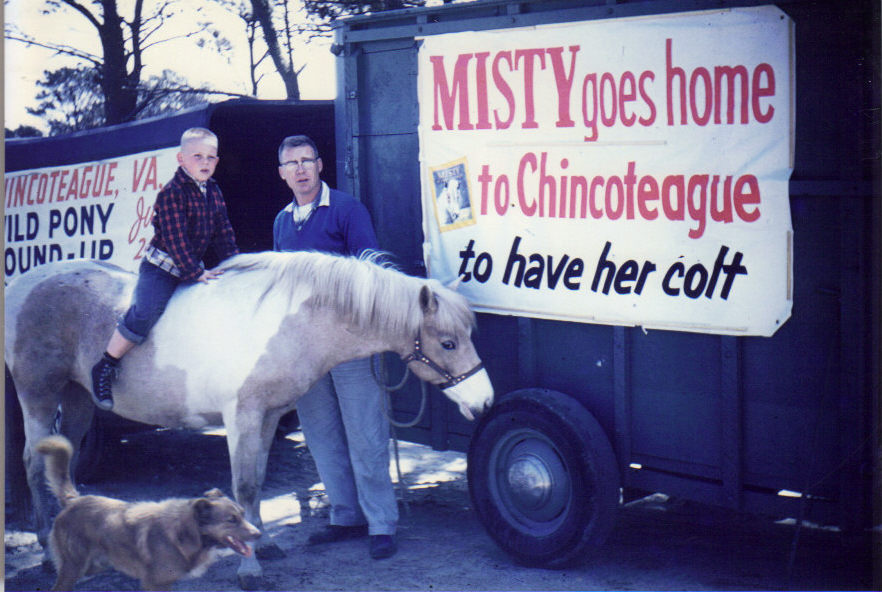
The ponies' fame is largely Marguerite Henry's doing. Misty of Chincoteague, published in 1947, follows Paul and Maureen, who help their grandfather raise and train ponies and dream of owning one of their own. The plot is invented, but Paul and Maureen were real children, their Grandpa Beebe had a real farm on Chincoteague, and a pony named Misty really lived there before the Beebes sold her to Henry, who took her home to Illinois.
Don Leonard practically lived on that farm. He spent much of his boyhood there learning to gentle ponies, which takes more patience than muscle, and he stayed close to the Beebes for the rest of his life. When it came time for Misty to come back to Chincoteague to have her foal, Don and Martha were the ones who drove to Illinois and brought her home.
Before she was loaded up, Marguerite Henry threw Misty a farewell party, and LIFE sent the photographer Grey Villet to cover it. Don and Martha are both in his photographs of that afternoon — Don standing at the trailer, Martha off to the left, and Misty in the middle of a crowd of children come to say goodbye. A clearer view of Don appears further into the same set.
On Sundays the Leonards went "Down the Ridge," which is Ridge Road now, to visit the Beebes and their neighbors the Burtons. The adults went inside to socialize. The children were sent out to play with Misty and the other ponies in the Burtons' barn, which is the Tom's Cove Country Store today. Not many people can say they spent their childhood Sundays playing with Misty.
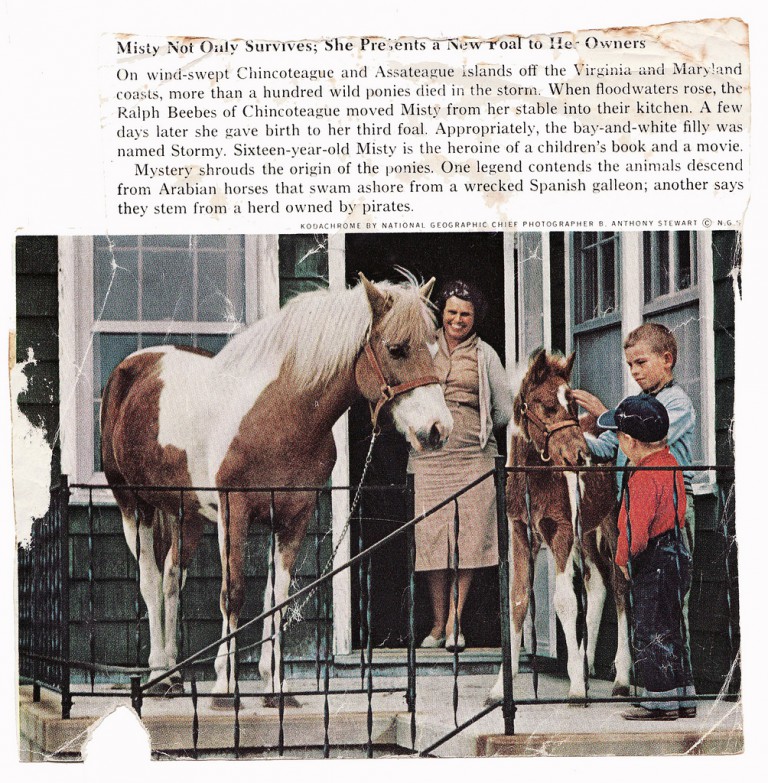
Misty didn't ride out the Ash Wednesday storm of 1962 in the barn with the rest of the stock — the Beebes kept her in their own kitchen until it passed. It was one of the worst storms on record for the island; 145 ponies were lost.
Further reading: Smithsonian Magazine’s The True Story of Misty of Chincoteague covers her 1957 return to the Beebe Ranch and that storm in full.
The 1961 film of Henry’s book is on YouTube in full. It was shot here on the island, with a good many islanders appearing as extras.
The Museum of Chincoteague Island’s short film about the real Misty.
The other 1947 book about the ponies
The same year Marguerite Henry published Misty, a marine biologist named Rachel Carson wrote a government booklet about the refuge across the channel — Chincoteague: A National Wildlife Refuge, the first title in the Fish and Wildlife Service’s Conservation in Action series, and fifteen years before Silent Spring. Henry’s book told a heartwarming story, and made the ponies famous. Carson’s only job was to describe them as they were in their natural habitat.
“Smaller than an average horse, larger than an average pony, their coats a bit shaggy and long, they bear the stamp of their wild seacoast environment.”
Rachel Carson — Chincoteague: A National Wildlife Refuge, U.S. Fish & Wildlife Service, 1947
She watched a round-up, too. In 1947 the ponies were already driven together on the beach and herded across Assateague Channel at low tide, swimming through water she described as shoulder high to a man, into a twenty-acre enclosure on Chincoteague. The town firemen already owned most of the stock and already ran the carnival and the sale. The week still runs mostly the same way.
She noted one other thing: the refuge manager, out on patrol, had more than once pulled a pony out of the marsh before the tide came up. The cowboys still respond to a pony in distress at the first sign of trouble.
Read Carson’s 1947 booklet → Free to read and in the public domain as a United States government publication.

Ask for an upstairs pony-side room when you book. Breakfast is delivered to your door at seven, eight, or nine, and we will pack it the night before if you want to be out earlier, so you can carry it out to the fence.
Call us at (757) 336-5511, or: