
Assateague Island
Beach, birds, trails and the lighthouse, a quarter mile from our door
The refuge entrance is a quarter mile from our front door. Past the bridge, the Virginia end of Assateague is all Chincoteague National Wildlife Refuge and Assateague Island National Seashore, with no houses, shops or hotels: just marsh, loblolly pines, the lighthouse and the Atlantic. Walking or biking in is free; cars need a refuge entrance pass.
The refuge is one of the best birding spots on the East Coast. The U.S. Fish and Wildlife Service ranks it among the top five shorebird migration staging areas east of the Rocky Mountains, and our birding page covers the trails, beach, and boat trips month by month. Start at the Herbert H. Bateman Educational and Administrative Center on Beach Road, where refuge staff and volunteers will help you plan your day. The beachcombing exhibits and touch tank from the old Toms Cove Visitor Center are there now. There’s also a short video feature of the Chincoteague National Wildlife Refuge episode of Peter Schriemer’s All Over the Map that plays several times daily; check at the ranger desk for showtimes.
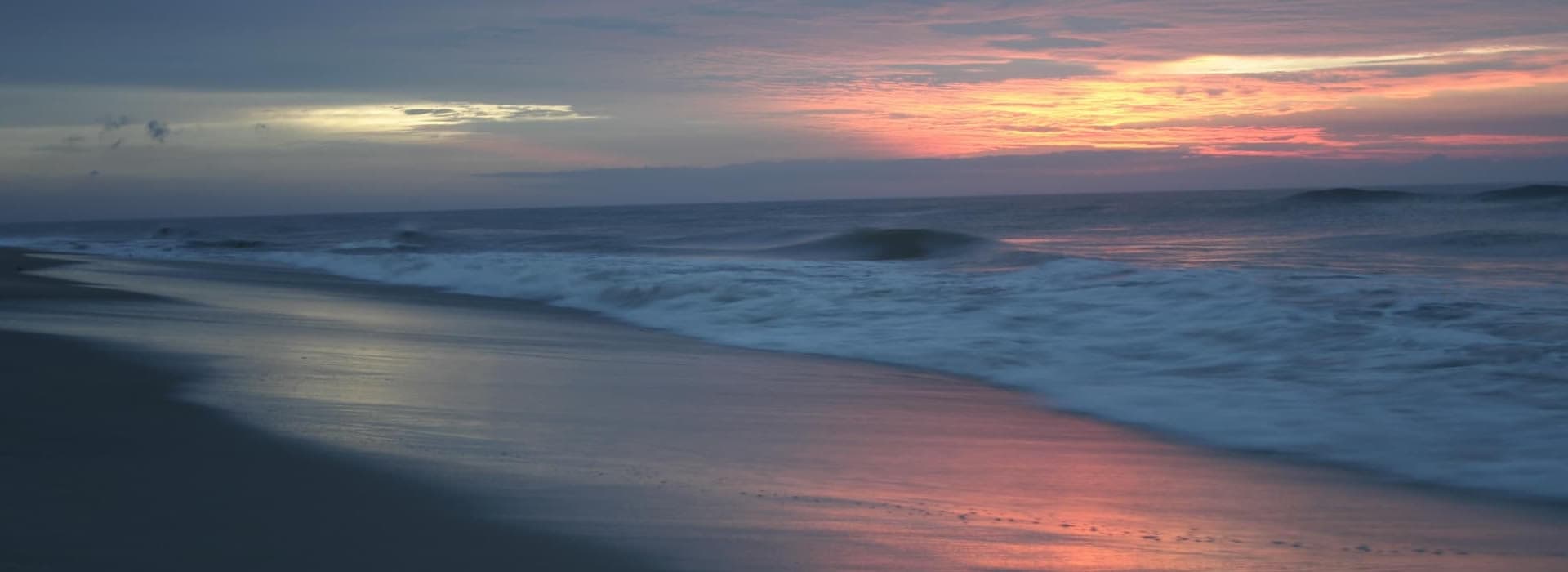
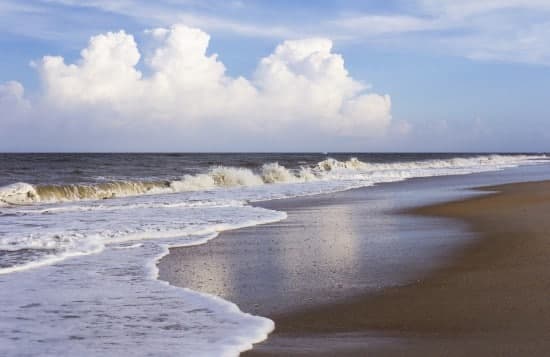
The beach is about three miles from the inn by bike and four by car. In summer, lifeguards watch a stretch of beach near the bathhouses, which have changing stalls, accessible restrooms and rinse-off showers. Outside the guarded area you can surf fish, skim board or surf, and there’s an over-sand vehicle area. From the beach you can also watch launches from NASA Wallops. The refuge runs deer and waterfowl hunts as well; our fishing and hunting page has the seasons, permits and guides.
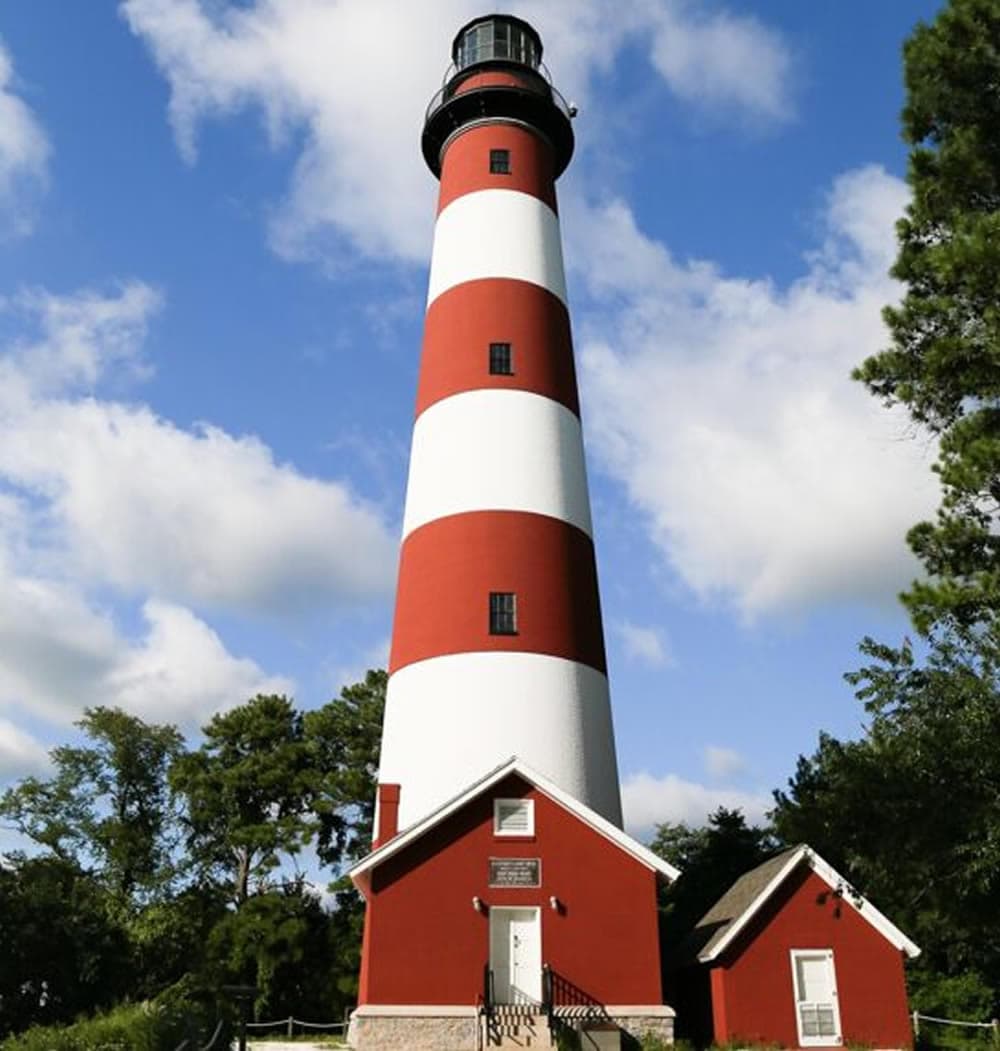
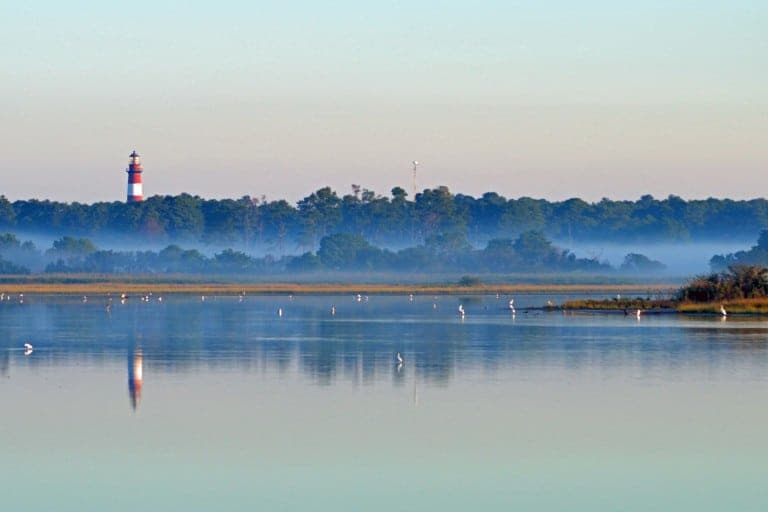
The Assateague Lighthouse stands 142 feet tall on a rise about 22 feet above high tide. The first tower was built in 1833, and the red-and-white tower you see now was finished in 1867. The Coast Guard still maintains the light, which can be seen 19 nautical miles out, and on clear nights you can see it blinking from some of our pony-side rooms. The Chincoteague Natural History Association, the refuge’s friends group, opens the tower for climbs on a seasonal schedule, 175 steps to the top. Check their Facebook page for this year’s dates.
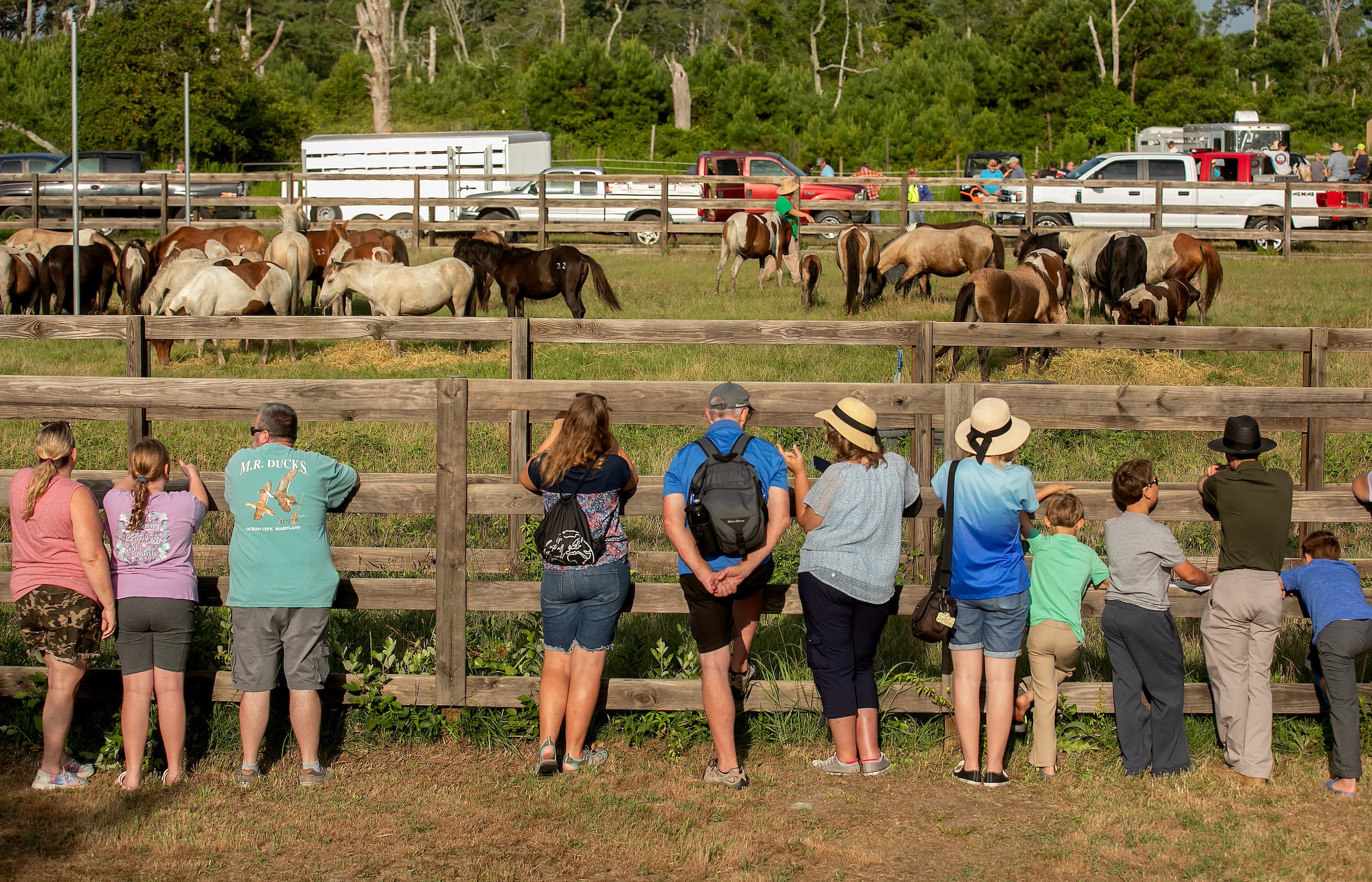
Wild Chincoteague Ponies are perhaps the most famous residents of Assateague Island. The Virginia herd belongs to the Chincoteague Volunteer Fire Company, which rounds them up every July for the Pony Swim and the auction at the carnival grounds. Our wild ponies page lists the best places to see them.
Rachel Carson wrote about this refuge in 1947
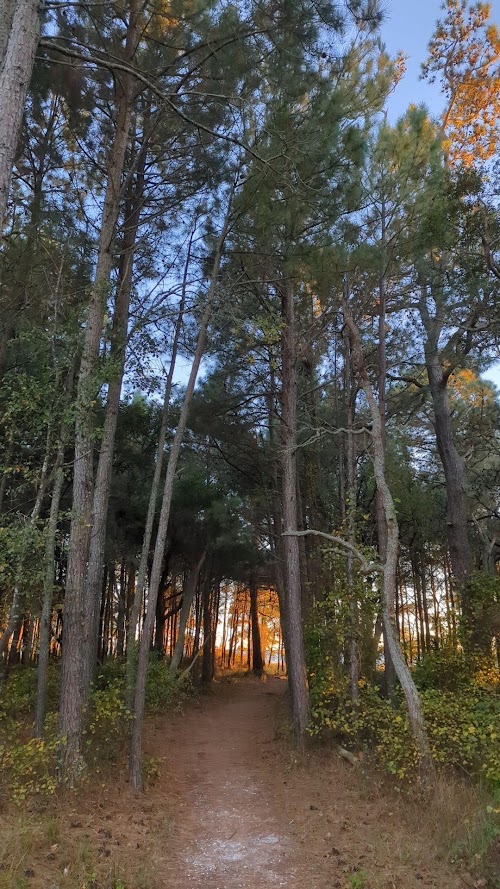
Four years after the refuge was established, Rachel Carson published a 23-page booklet about it, the first title in the Service’s Conservation in Action series, and fifteen years before Silent Spring. She wrote about the marshes as places where migrating birds could find food, rest and security, and called them natural hostelries for the migrants.
The refuge was about nine thousand acres when she wrote. It is fourteen thousand now.
Carson counted 240 species identified on the refuge or in its immediate vicinity in 1947. The Service’s current checklist lists 277 recorded since 2008, plus 21 accidentals seen only once or twice. Our BirdWeather station, a quarter mile from the refuge entrance, keeps a running count of the species it hears on our property.
Read Carson’s 1947 booklet → It is free to read and in the public domain as a United States government publication, with illustrations by Shirley A. Briggs and Katherine L. Howe.
Before you go
Chincoteague National Wildlife Refuge: visitor center, passes and hours
Assateague Island National Seashore, Virginia District: ranger programs and beach information
Chincoteague Natural History Association: Refuge Trek tours and the Assateague Lighthouse
Cowboy Cruise Company: pony tours with a Saltwater Cowboy, and shellfish harvest trips
Chincoteague Bay Field Station: camps and educational programs