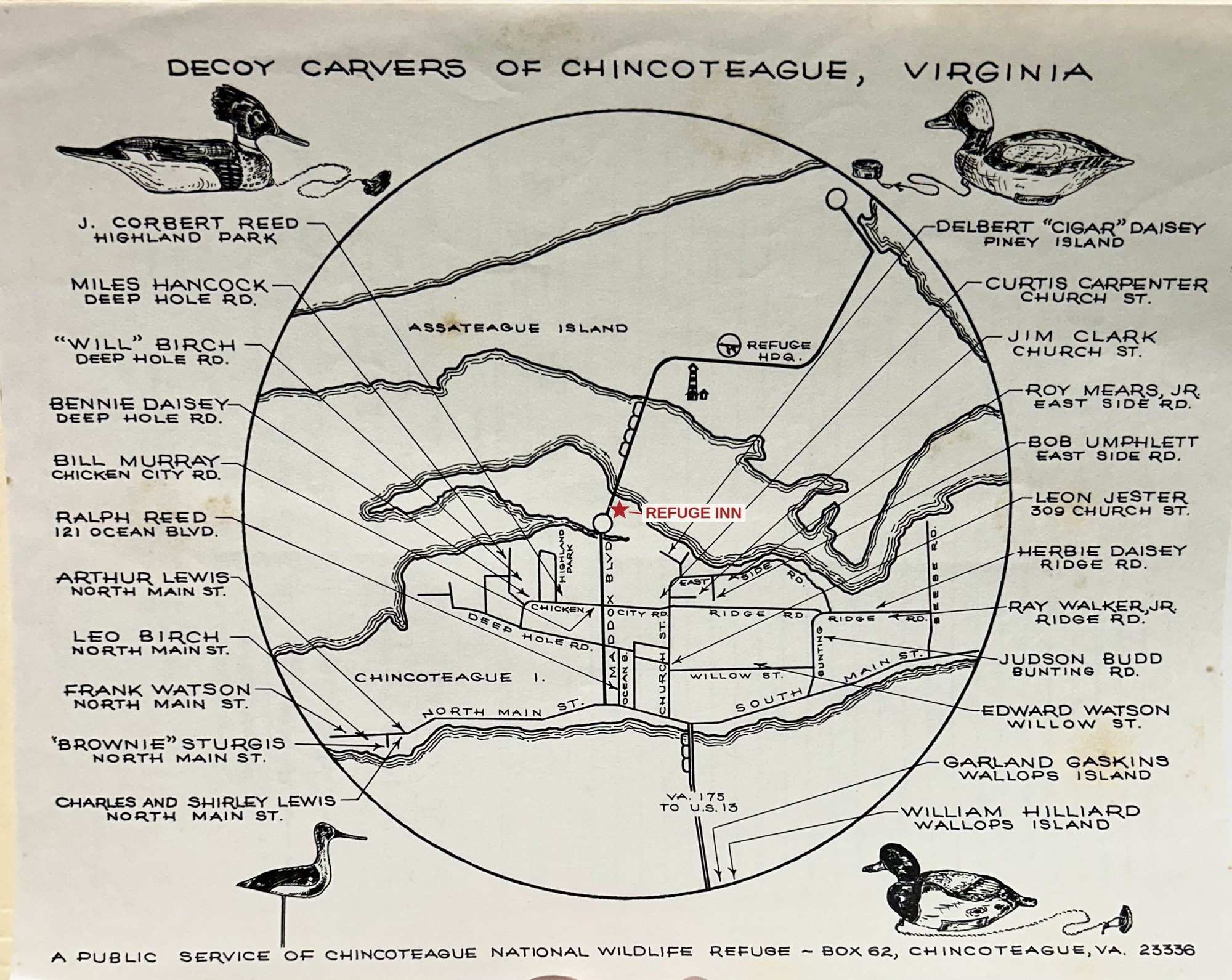
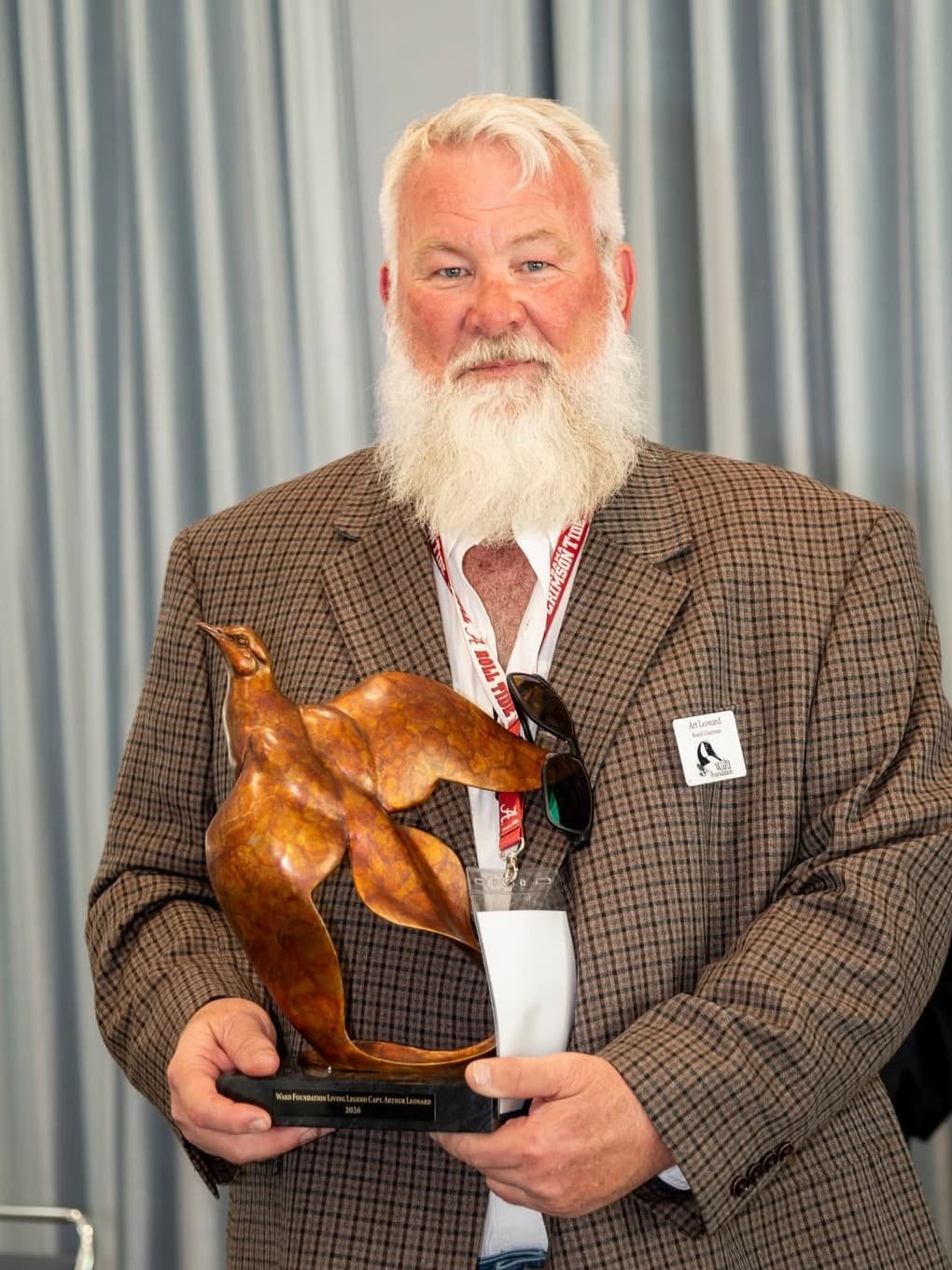
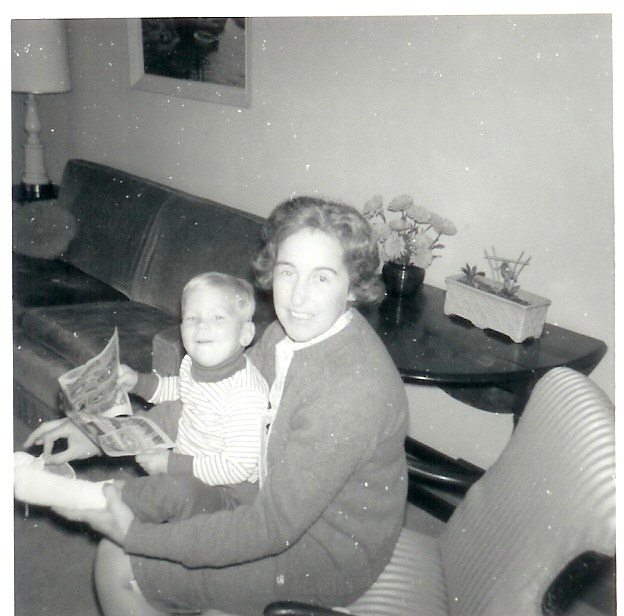
Arthur Leonard grew up on Wildcat, at the north end of Chincoteague, when the family’s sixty acres were mostly marshland without a neighbor in sight. There was a pond in front and a creek behind the house, and his mother, Martha, carried him to the window to watch the ducks that gathered there. He was a restless, adventurous toddler, but the ducks held his attention. His first word was “duck.” “I was doomed,” Arthur says. It was all downhill from there.
Arthur’s family roots on Chincoteague stretch back to the 1670s, through John Merry Jester, and he likes to say that everyone on the island is related: “You’re either a Jester or a Bowden or a Reed or a Daisey, somewhere back along the line.” His great-great-grandfather Kendall Jester grazed ponies and cattle on Wildcat, near where Arthur grew up.
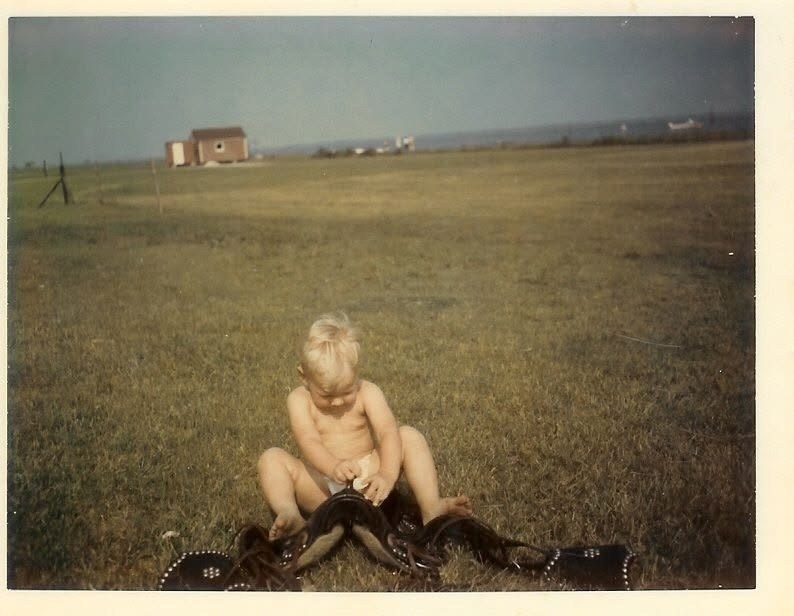
His father, Don, didn’t carve, but he was a duck hunter. Like most island men of his time, he hunted over heavy old wooden decoys, used so hard and treated so roughly that Miles Hancock had to repaint them every year. Don took Arthur along hunting, and then brought their birds home from the marsh and laid them out in the garage. Arthur sat beside them for hours, studying how the feathers fit together and the color of each one.
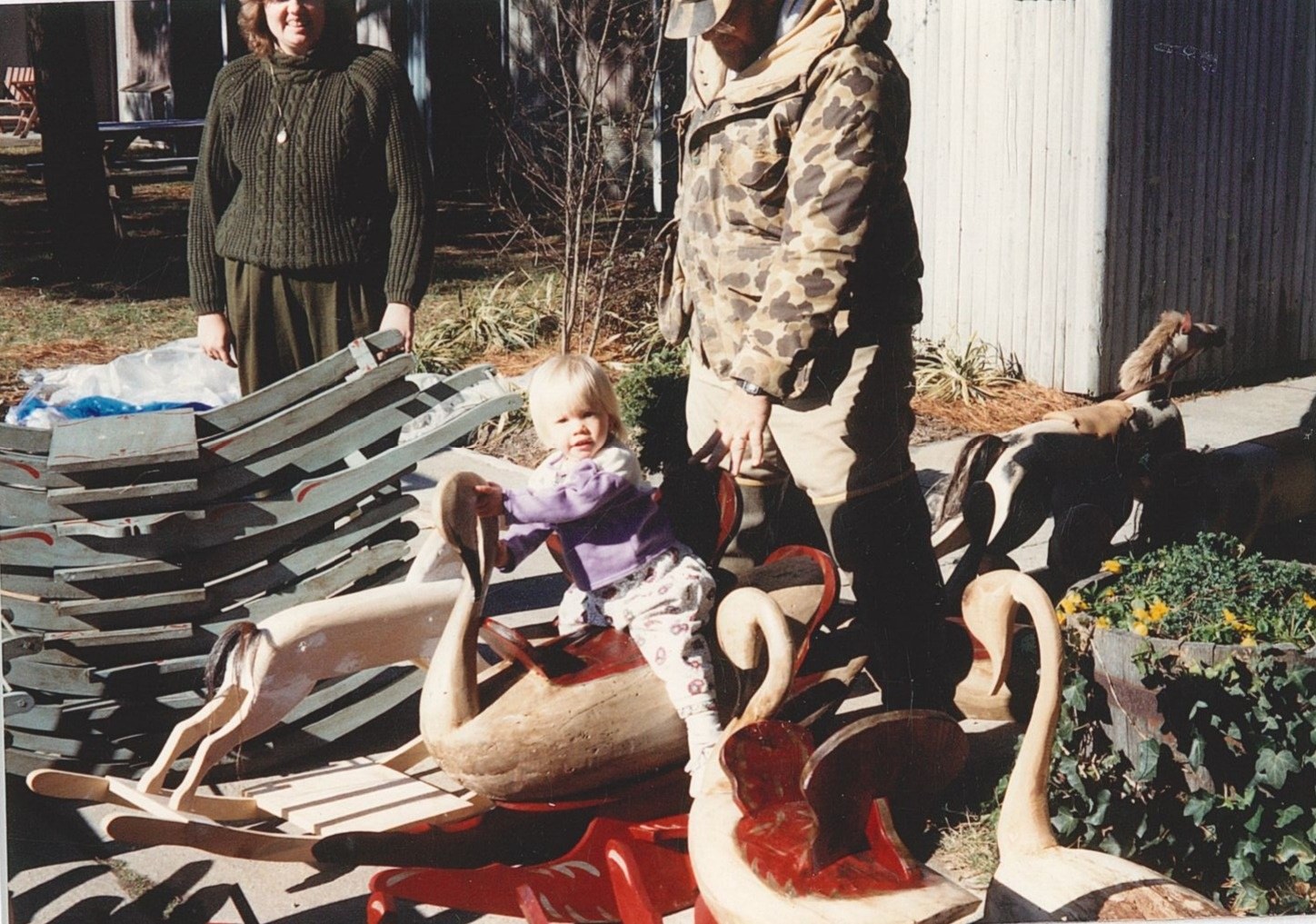
In 1973, when Arthur was 8, Don and Martha moved the family into their new motel, the Refuge Motor Inn. It sat on the stretch of Maddox Boulevard past the traffic circle, on the way to the wildlife refuge and national seashore. A local man named Bruce Jester was the construction superintendent, and several young carpenters helped build it, among them Reggie Birch.
How the Rookery was born
If it weren’t for the motel, Arthur might not have found his way into carving at such a young age. He bought his first decoys when he was 10, at the Snow Goose Festival at Tom’s Cove, for $10 apiece. Chincoteague was filling up with carvers then, and their shops were concentrated in town, so the motel put him much closer to the action than he had been while living up on Wildcat. He rode his bike to Tommy Savage’s shop to sit and talk, and he eventually started buying Tommy’s decoys to resell at the motel’s front desk. They did so well that he moved them to their own shelf in the lobby, and then he sold so many that Don decided the motel needed a gift shop. That was how the Rookery was born.
Learning the water
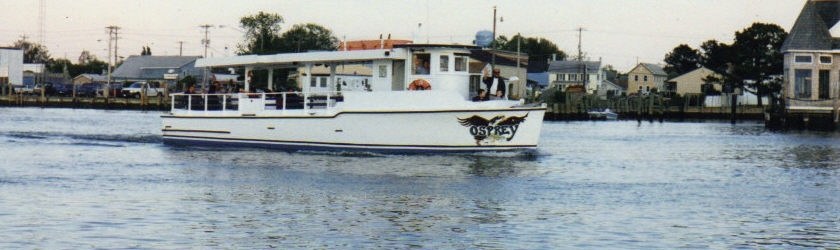
Back when Arthur was still looking at ducks out the window of his childhood home, Don and his business partner George Taylor won a contract to run tours on the wildlife refuge. As soon as he was old enough (OK, probably before he was old enough; Don always said child labor laws don’t apply to family businesses), Arthur went to work on the tours. He started out driving the refuge tour truck and later earned his USCG Master Captain’s License to captain the Osprey, a 49-passenger wooden tour boat converted from an old fishing vessel. He learned the water and the birds from the legendary naturalists who narrated the tours several times a day, and together they passed that knowledge on to visitors, a boatload at a time.
One of those naturalists was Tom Reed, an island native who gladly shared his decoy collection, knowledge and poetry with anyone who would sit and talk for a while. You can read Tom’s poem “Smiles” on our blog.
Arthur says that the Chincoteague way of life means you pass down what you know, and you help your fellow islanders with whatever they need. “Any shop you go to here, they’ll teach you how to carve, if you sit there long enough and talk to them. That’s the Chincoteague way.”
Reggie’s chopping block
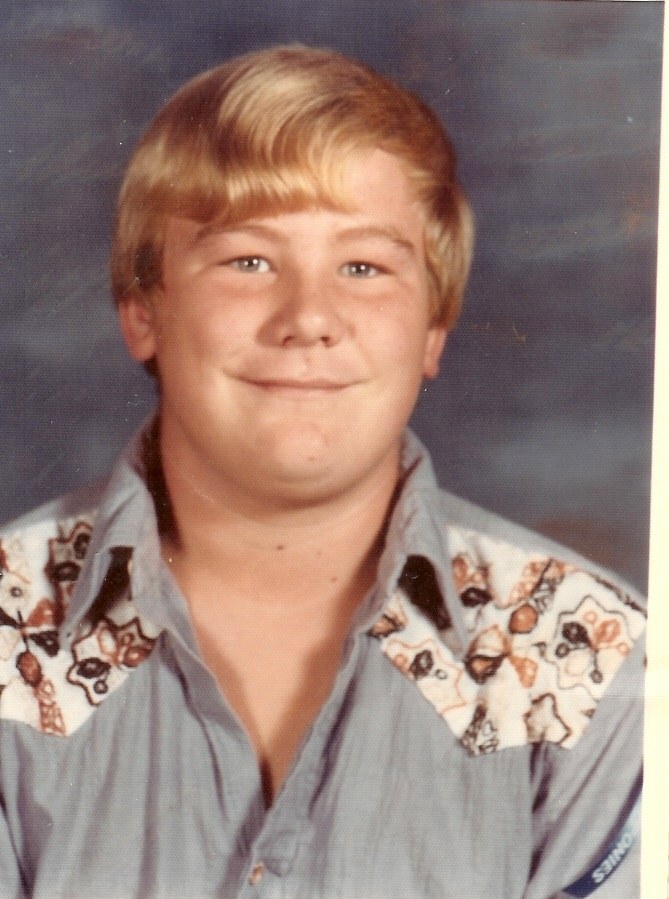
One day, when Arthur was about 14, Reggie Birch came by Tommy’s shop while Arthur was there buying decoys for the Rookery. They sat and talked as Tommy carved, and Reggie told Arthur to stop by his shop sometime and he’d show him a few things. When Arthur rode his bike over there to take him up on the offer, Reggie cut out a bird on the band saw, carved one side with a hatchet, then handed it to Arthur and told him to match the other. He carved with Reggie for years after that, mastering the hatchet and the spokeshave on Reggie’s chopping block.
Cig and the brant
The best-known carver of Arthur’s lifetime was Delbert “Cigar” Daisey, a mentor to many young carvers and widely regarded as one of the four most notable carvers Chincoteague has ever produced, along with Ira Hudson, Miles Hancock, and Doug Jester. Cig got his nickname as a young man after raiding the refuge game warden’s duck traps and accidentally dropping a few cigars. When the warden came around town asking who smoked that brand, nobody gave him up. But the name stuck.
Cig handed out advice to every young carver who came around, and Arthur was no exception. By the 1970s, most decoys were carved to sit on a shelf rather than float on the marsh, and Cig knew what sold. Arthur remembers him saying, “Son, you’re wasting a lot of wood. You shouldn’t be making the birds for ducks. They can’t buy them. Make them for the people.” People liked little birds for a shelf, and Cig would rather sell three small decoys at $100 than one big one at $150.
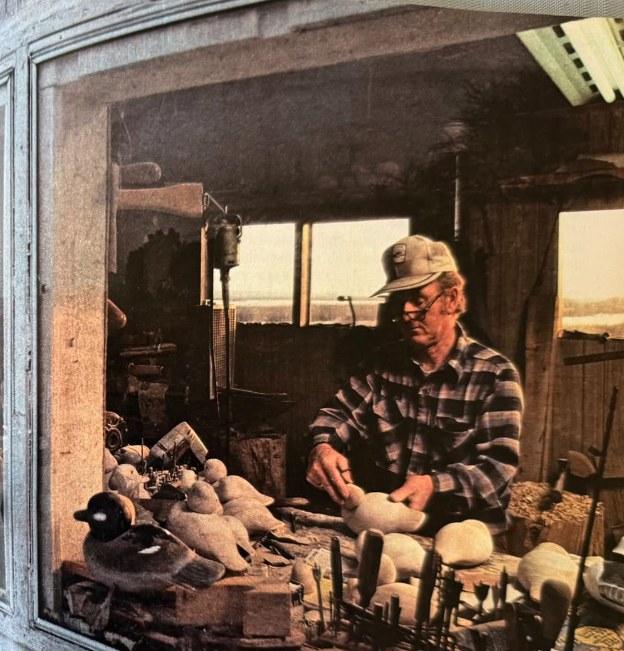
Arthur went to Cig one day for help. He had carved a brant and couldn’t get the paint right after five tries. Cig took the bird, demonstrated how to mix the paint, and then put it right on the bird while Arthur watched.
“I said, ‘No, Cig, I didn’t want you to paint it. I wanted you to tell me how to do it,’” Arthur remembers. Cig told him he could wipe it off if he wanted to. Arthur didn’t. Years later, when Cig was older, the two of them worked on coots together at an event at the Delmarva Discovery Museum. Cig wanted something to work on while he was there, and Arthur, of course, handed his birds over.
Arthur kept the paint techniques and the brant itself, but ignored Cig’s size advice. Unlike most decoy carvers of that time, Arthur had no interest in carving for people. He was, in fact, making decoys for ducks. He still makes them to hunt over rather than to sit on a shelf, and they’re still larger than life-size.
Birds made for ducks
Birds made for ducks are the true roots of Chincoteague’s tradition. When using live birds as decoys was outlawed in 1935, the island’s boat builders turned their tools and craftsmanship toward making carved decoys instead, using whatever wood they could find. Island birds were rougher than decoys from other places, but they worked. Collectors still prize Chincoteague birds today.
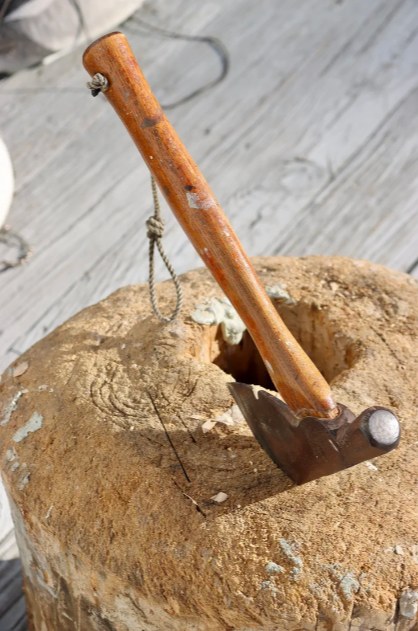
Arthur’s decoys are Bayman style, shaped mostly with a hatchet, refined with a spokeshave and finished with a knife, with little ornamentation. His birds have won Best in Species at the Ward World Championship and Best of Show up and down the East Coast, but after nearly 50 years his favorite part is still watching live birds come in to them.
Back in 1978, Reggie and Tommy Savage started the Chincoteague Decoy Carvers Association, back when the island had 43 carvers. The association has always met here at the Refuge Inn—first in the Rookery, attached to the lobby, and later in the meeting room built partly for that purpose. The association took over the old Snow Goose Festival, where Arthur bought his first birds. That festival eventually became the Easter Decoy Festival, which is still held every year at Chincoteague High School.
Donna and Jane
Arthur’s sister Donna grew up working the family’s refuge tours as a teenager and, like Arthur, learned most of what she knows from the other guides. She later took over the tour company and narrated nearly every tour for over a decade. She came up with the name for the Rookery and stocked its non-decoy shelves for many years. While Arthur and Donna were out sharing the island with visitors, their sister Jane focused on the motel itself and kept it running and welcoming, from the big decisions about how it operates down to choosing the soap in the guest rooms.
Donna also gave the Easter Decoy Festival its highest honor. Her dear friend and schoolmate Curtis Merritt, a blind Chincoteague carver, was an Easter Decoy regular whose company everyone enjoyed. In 1984, he was named “Artist of the Year” at the festival just before his untimely passing. The following year, Donna introduced the Curtis Merritt Award of Excellence in his honor. It isn’t chosen by a judge: The ribbon goes to the exhibitors’ own favorite carver or artist, and is voted on and signed by every exhibitor. Arthur and Reggie were recipients of this award, along with many other talented carvers and artists over the years.
Passing it on
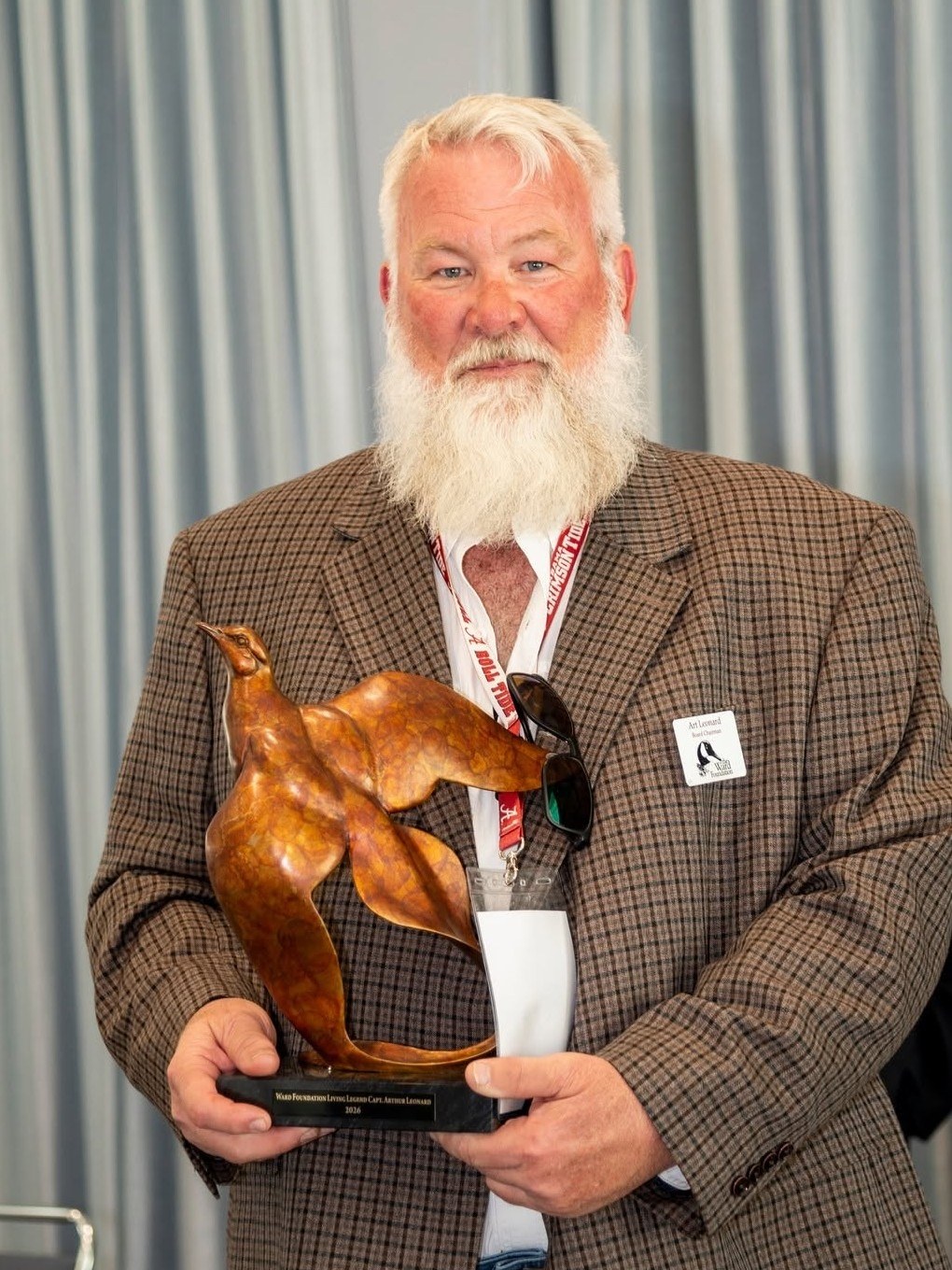
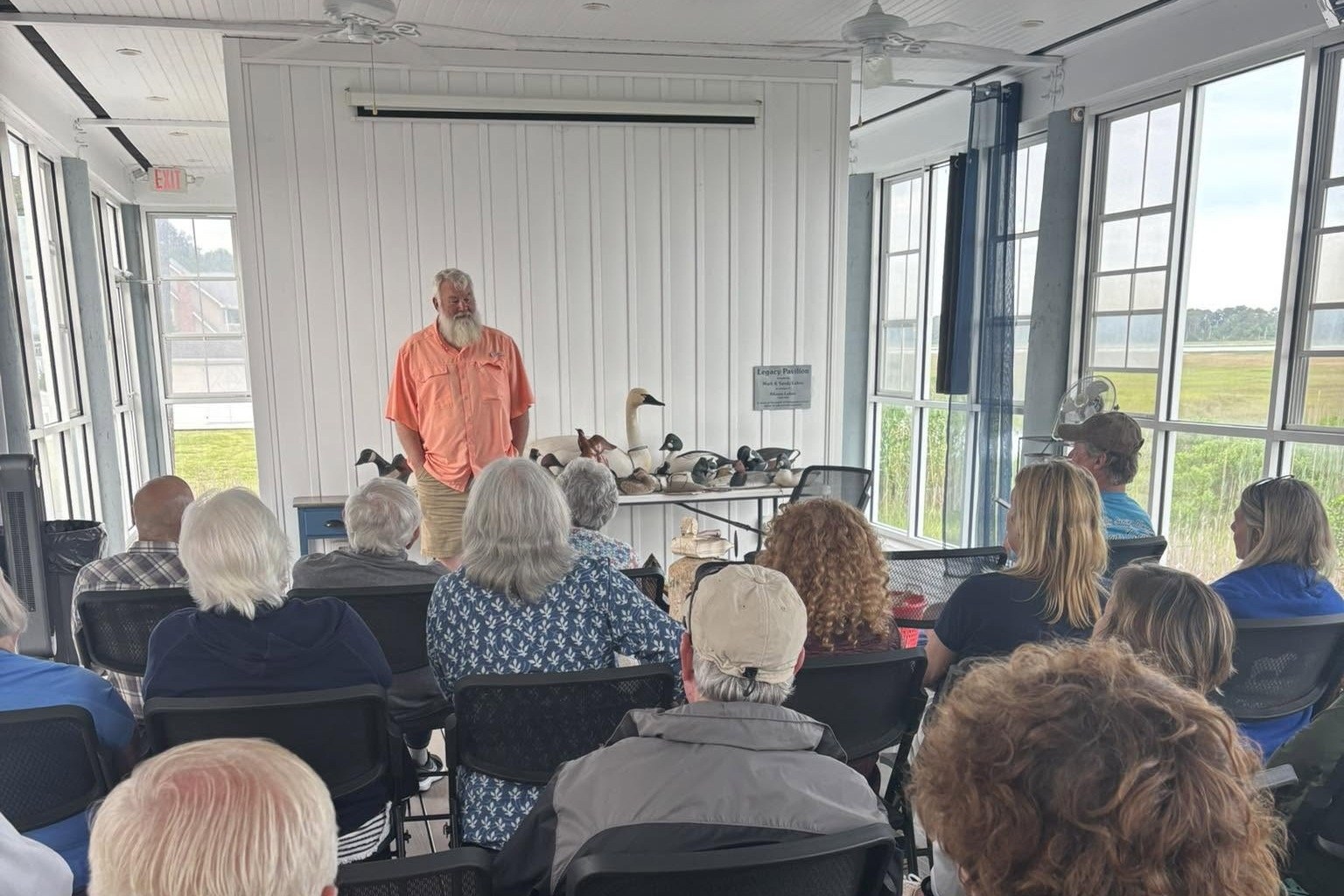
Chincoteague Island once had more carvers per capita than anywhere in the country, but today their numbers are dwindling. Arthur worries about who will carry it on when his generation is gone, so he carves in front of people whenever he can. He demonstrates regularly at the Miles Hancock Decoy Carving Workshop at the Museum of Chincoteague Island, at the Easter Decoy & Art Festival on Chincoteague, and at the Waterfowl Festival in Easton, Maryland. He has been invited twice to carve on the National Mall at the National Folklife Festival, representing the state of Virginia. In 2026, the Ward Foundation named him a Living Legend. Only two Chincoteague carvers have ever received that honor: Cig, and the boy who once came to his workshop for help painting a brant.
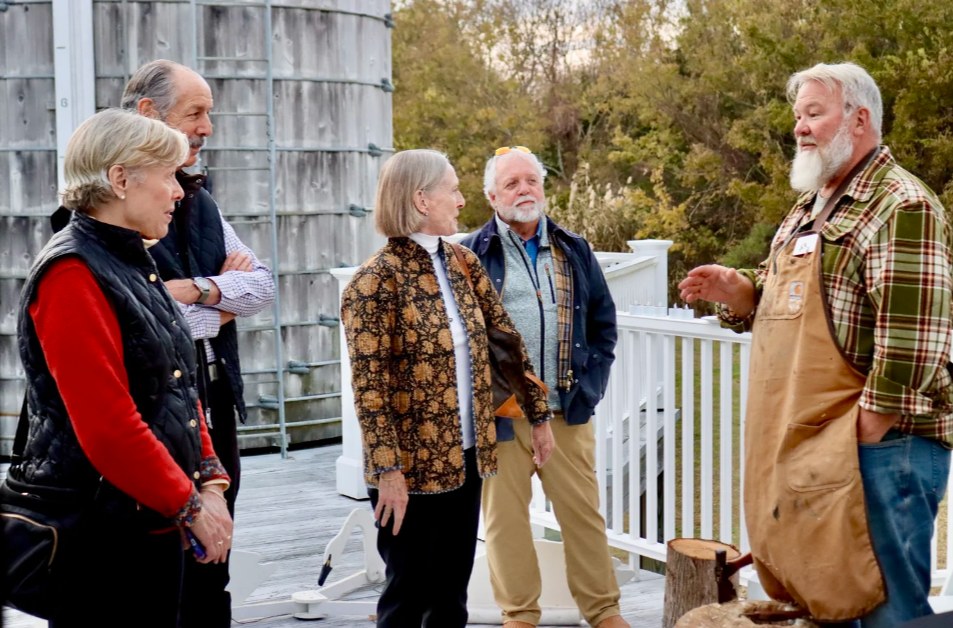
Arthur was also an instructor for the Ward Foundation’s “Carving Out Future Decoy Makers” program, sponsored by the National Endowment for the Arts. Arthur’s son Hunter signed up of his own free will, but his little brother Ayden was only four or five, so he was along for the ride, whether he wanted to be or not. Both sons run nature tours and hunting trips now, and Ayden is a talented carver in his own right. They are living proof that the effort to pass things down pays off.
Along for the Ride
Cynthia Leonard on growing up with a front-row seat
I grew up in a motel full of ducks: decoys on the lobby shelves, carvers meeting in the Rookery, and guests coming back from the refuge with binoculars around their necks. Somehow none of it turned me into a carver. I can’t call a duck, I don’t own a shotgun, and I never wanted a captain’s license. My brothers are the ones who took to the ducks and the water, and I’m glad those traditions will stay in the family for generations to come. I got something different: a front-row seat to all of it.
When Dad was a toddler, Nana introduced him to the marsh by carrying him to the window to watch the ducks. When I was little, he continued the tradition by carrying me along on his adventures, too. On mornings when I wasn’t in school, I got to join his ritual: breakfast from the McDonald’s drive-thru, then a drive out to the beach and back, binoculars on the dash to check out what had landed on the Refuge overnight. I felt like a superstar when we got waved through the toll booths rather than having to stop and show our duck stamp every day.
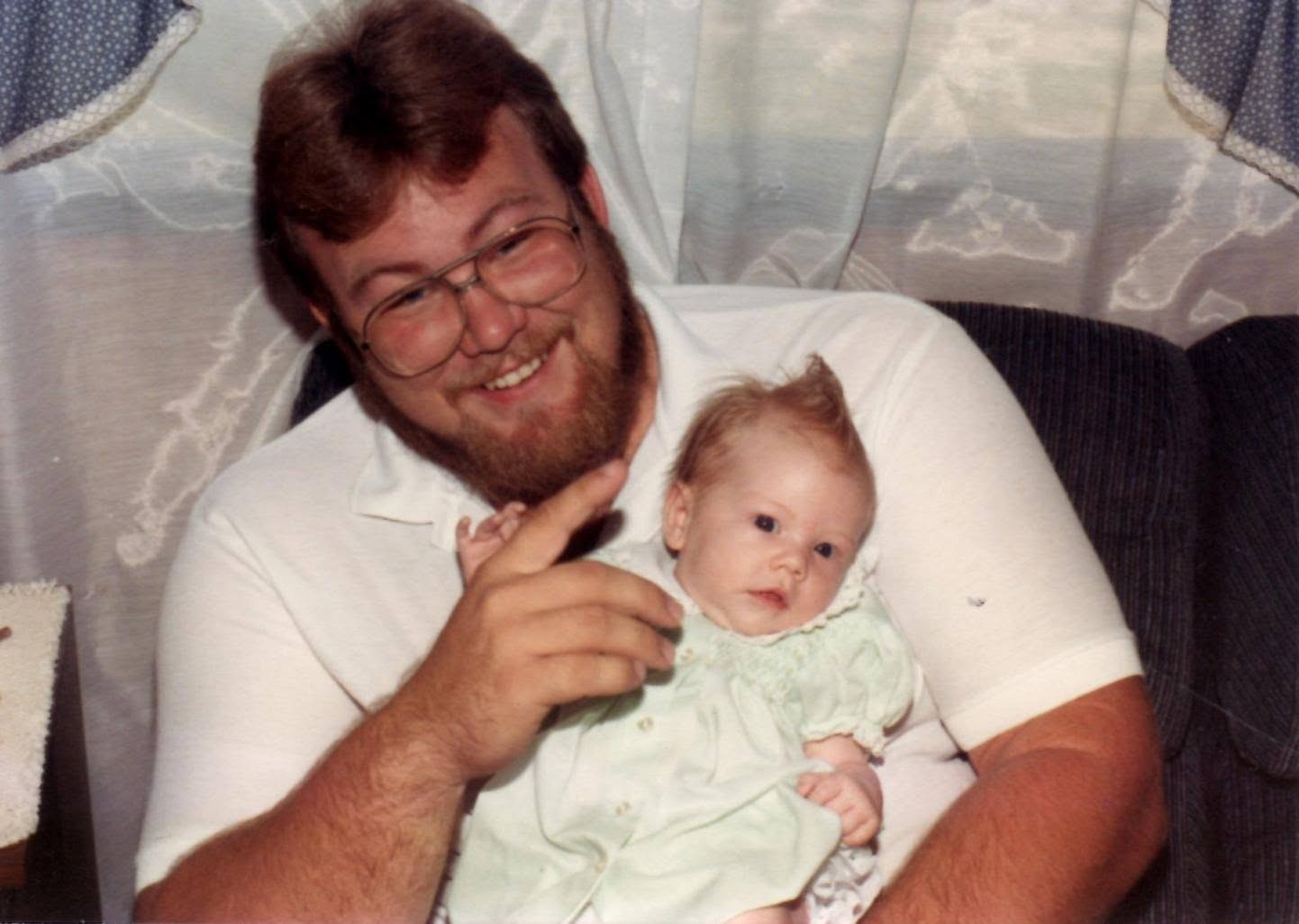
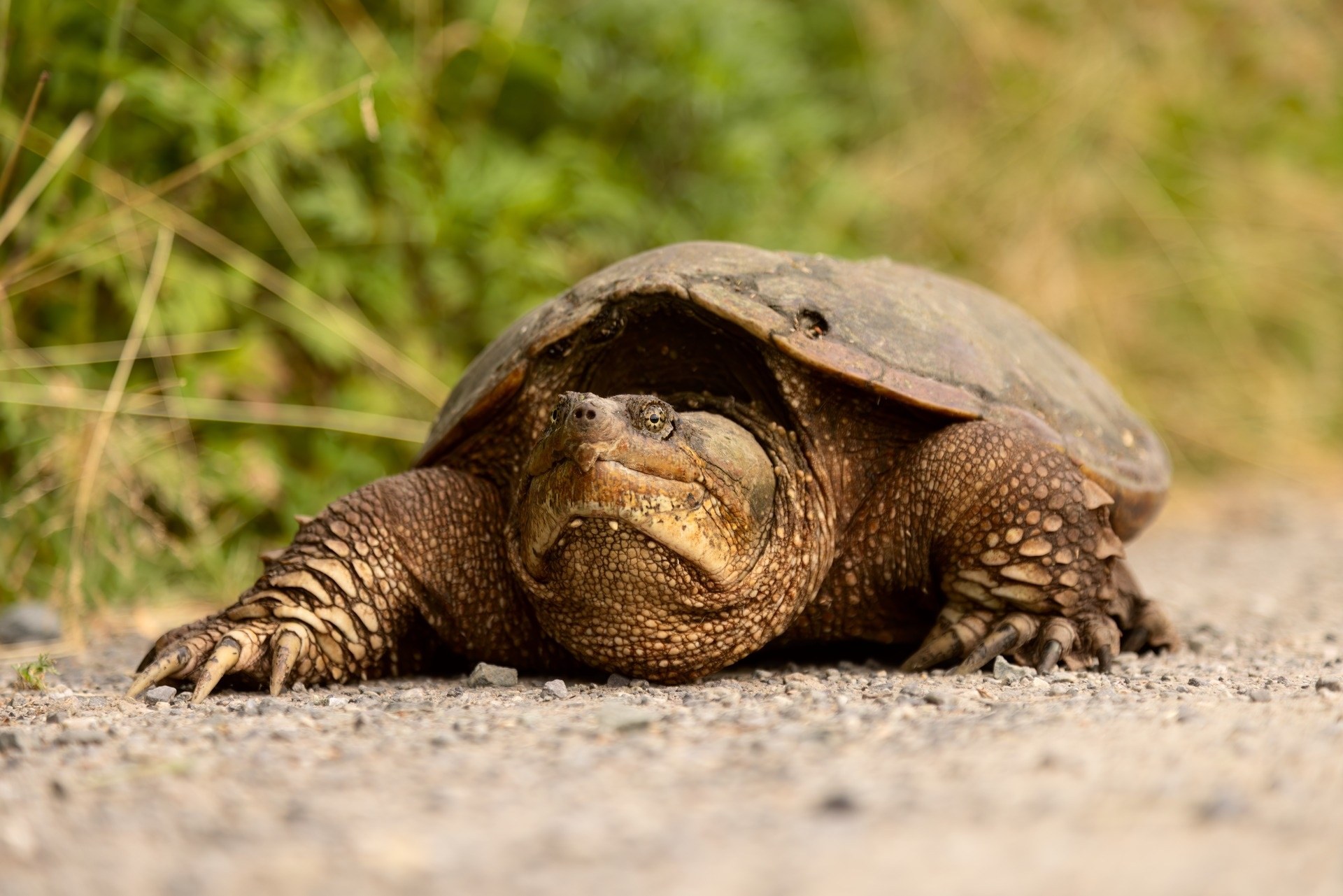
Back then, Dad drove tours on the Refuge that ran on land and water. I rode in the truck just as he did as a boy, while Donna or Tom Reed rode in the trailer to narrate the tour for the passengers. Tom held a Fish and Wildlife Service permit to take snapping turtles off the refuge for soup, and even in his 80s he would stop the tour, run off the road, catch one, and toss it right in the back of the truck. More than once, if the snapper was in a tough spot, he sent Dad out onto the flats instead. It’s a wild thing to watch your dad go after a big old snapping turtle you’ve been warned time and time again could easily bite your finger off. (Dad remembers using a stick with a hook on the end. Donna says he just grabbed them by the tail.) Then, to hear the THUMP when it landed in the pickup bed a few feet behind your head. It was hard to look anywhere else for the rest of the tour. After that, we took out the evening boat tour aboard the Osprey from the Fish & Wildlife dock behind the lighthouse.
As I got older, our after-school afternoons fell into a routine. They started at Shore Stop, with an orange soda and salt and vinegar chips for me and a Dr Pepper and orange peanut butter crackers for him. Then we drove to Reggie’s house and workshop. Sometimes we stayed a few minutes while Dad got a tip on a half-carved bird, and sometimes it felt like hours while they shot the breeze and I read books in the truck. While Dad was proofing this, he told me it really was hours. It just didn’t feel like it to him and Reggie, who were deep in their craft and conversation. He said I could sit there and read and he didn’t need to worry about me, but my brothers, much like him, were always off in search of adventure.
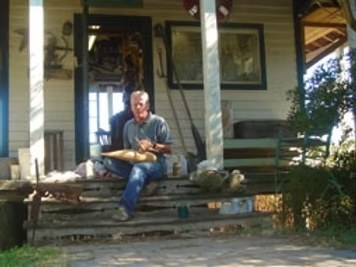
Ayden especially was a handful. One afternoon at Reggie’s, Dad and Reggie lost track of him and searched all over creation, until they found him sitting at the top of the deck steps, laughing at them. Another time, at the Carving Out Future Decoy Makers program, with everyone sitting around Dad’s shop with knives and spokeshaves as he taught them the tricks of the trade, Ayden appeared from nowhere, walked up to Dad, held up his index finger with a tiny carving knife shoved clean through it, and said, “Dad, this hurts.” Neither misadventure dampened his interest in the craft, though. Today he carves beautiful, sought-after birds in his own style. I wish I had half of his talent.
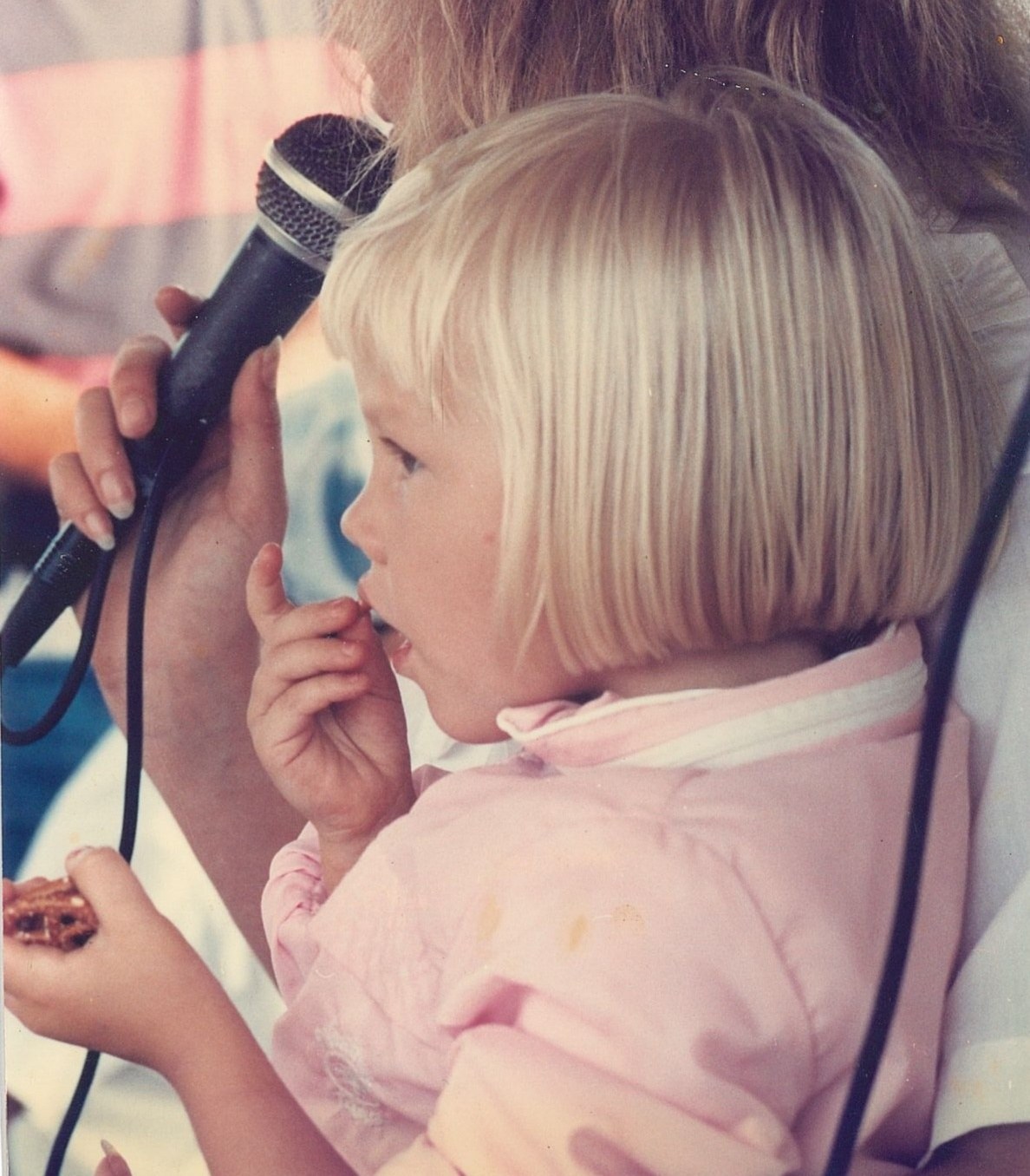
My afternoons with Dad always ended on the water. By the time I was in school, the tour contract with the Refuge had been discontinued, so the Osprey ran from the Chincoteague town dock. We headed there every day after Reggie’s so Dad could captain the evening tour, usually with my aunt Donna as the tour guide. I always looked forward to singing over the microphone, and if I was lucky, I got a few tips. My favorite part was passing Pelican Island, where hundreds of pelicans were nesting, and watching the dolphins ride the surf behind that old wooden inboard boat.
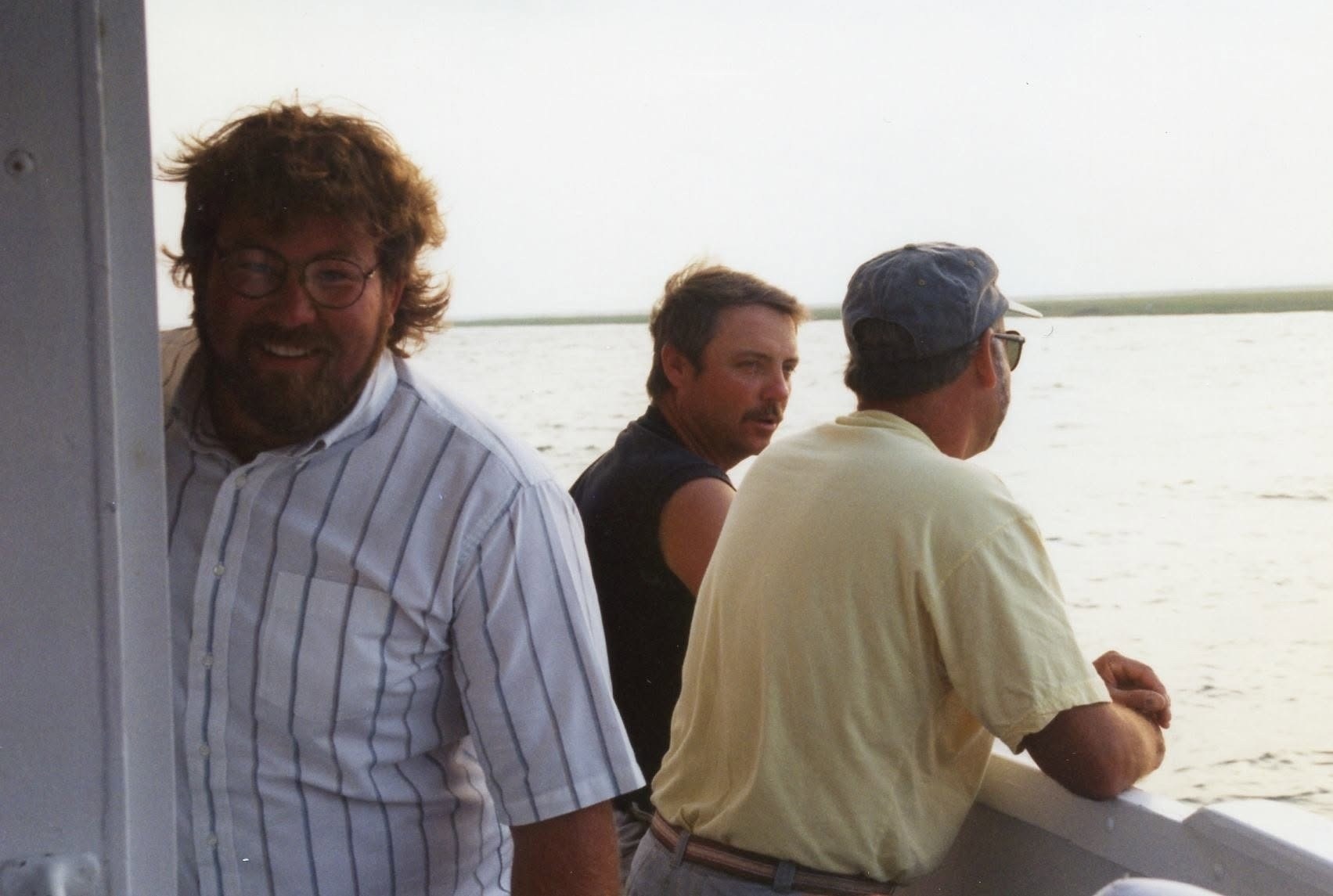
By the time I was a teenager, the Osprey had broken down beyond repair, and my summer jobs stayed rooted indoors around the motel and gift shop. I grew up surrounded by our island’s heritage every day, but I wasn’t old enough to capture any of it in a meaningful way at the time. All I have is a handful of printed photographs, stories from my dad and aunt, and my earliest memories.
So much of that is gone now. Pelican Island shifted after a storm, and while the pelicans are still here, they never gathered there in quite the same way again. Nobody takes snapping turtles off the refuge the way Tom Reed once did. Reggie spends most of his time in Germany. Cig has passed on. And each spring there are fewer carvers at the Easter Decoy & Art Festival. Every year of my childhood, I carried the Curtis Merritt ribbon and ballots around that festival to collect signatures and votes, back when it was filled to the brim with carvers from far and wide. Now I sometimes wonder whether it’s fair to keep calling it a decoy festival when the decoy carvers are getting so scarce. The brant Cig painted is lost, too. Dad turned his house upside down, searched the collection at the museum and checked all three of the kids’ houses. Maybe it will turn up someday.
“You’ve got a part in all of this, too, you know? You read and watched and listened and learned. And now, you are sharing it.”
— Dad, when I interviewed him for this piece
Then he added, “Or something like that. You’ll know how to say it better than me.”
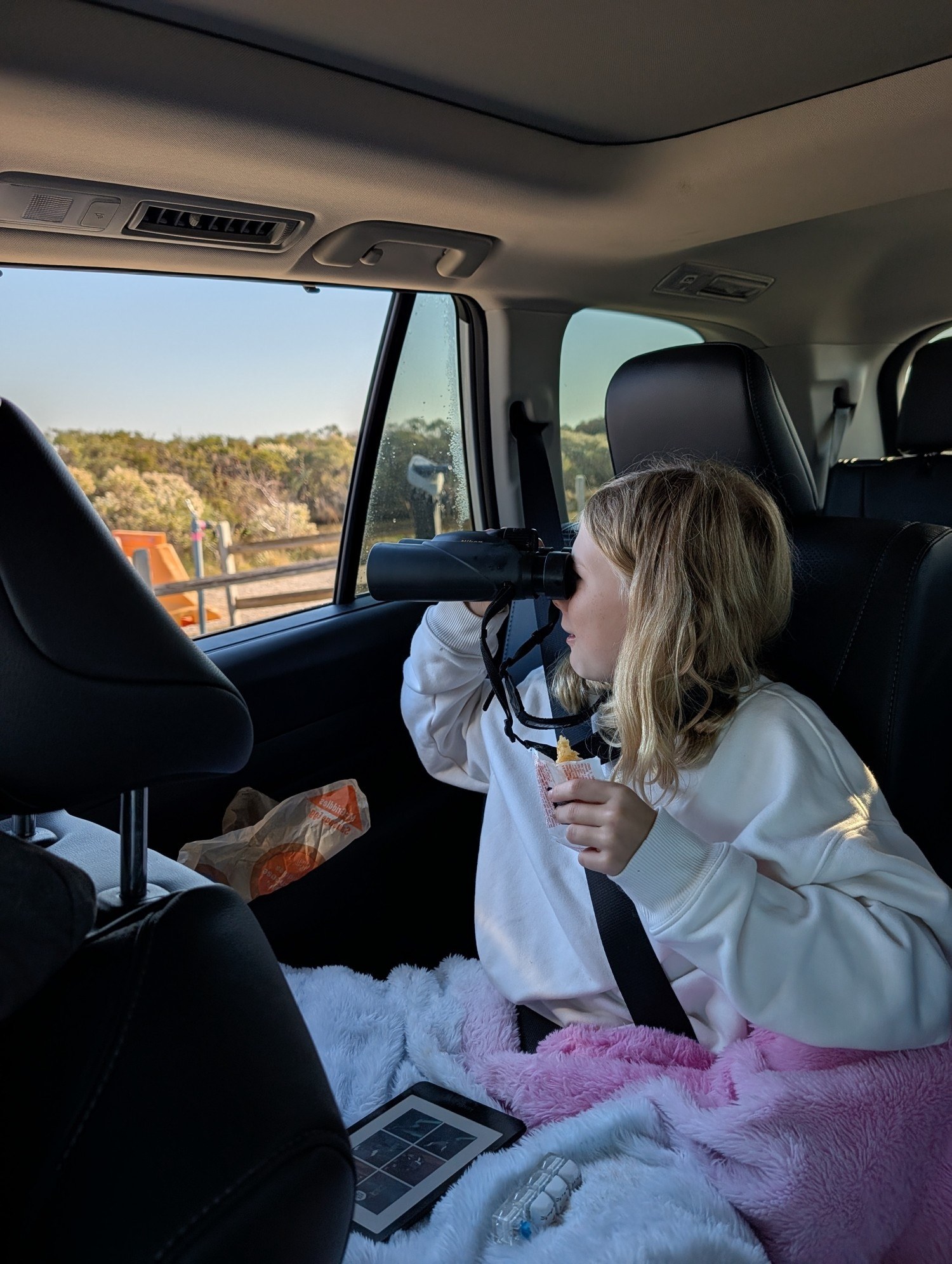
My part in the story looks very different. I still take the drive Dad and I used to take, nearly every Friday morning during migration season, but Dad doesn’t ride along. With 14 years between me and Ayden, he’s done his fair share of school drop-offs, and he isn’t eager to be tied up in the carpool line again. Now I’m the one beholden to the school schedule, taking my kids out for hash browns and a quick ride to the beach with two pairs of binoculars on the dash.
My heart has always belonged to the motel. I was along for the ride with Aunt Jane, too, on her family’s vacations and on weekends spent behind the scenes of keeping this place running. From her, I learned how much thought goes into the little things guests may never notice one by one, but that together make a place feel cared for.
I try to bring that same care to how we share the island. The refuge where Dad, Donna, and I learned the birds starts a quarter mile from our front door, close enough for guests to walk or bike in and see the birds themselves, binoculars in hand. I write bird guides so our guests know what to look for each season and where to find it. The guides are no substitute for one of Donna’s nature tours, but hopefully they point people in the right direction. Dad still stocks the top shelves in the Rookery with decoys, and I try to stock other things that tell the island’s story. Every guest who walks into the lobby, past the shelves of decoys, paintings of ponies, guides to seasonal birds, and printed stories of our family, gets to share a little of the island I grew up on.
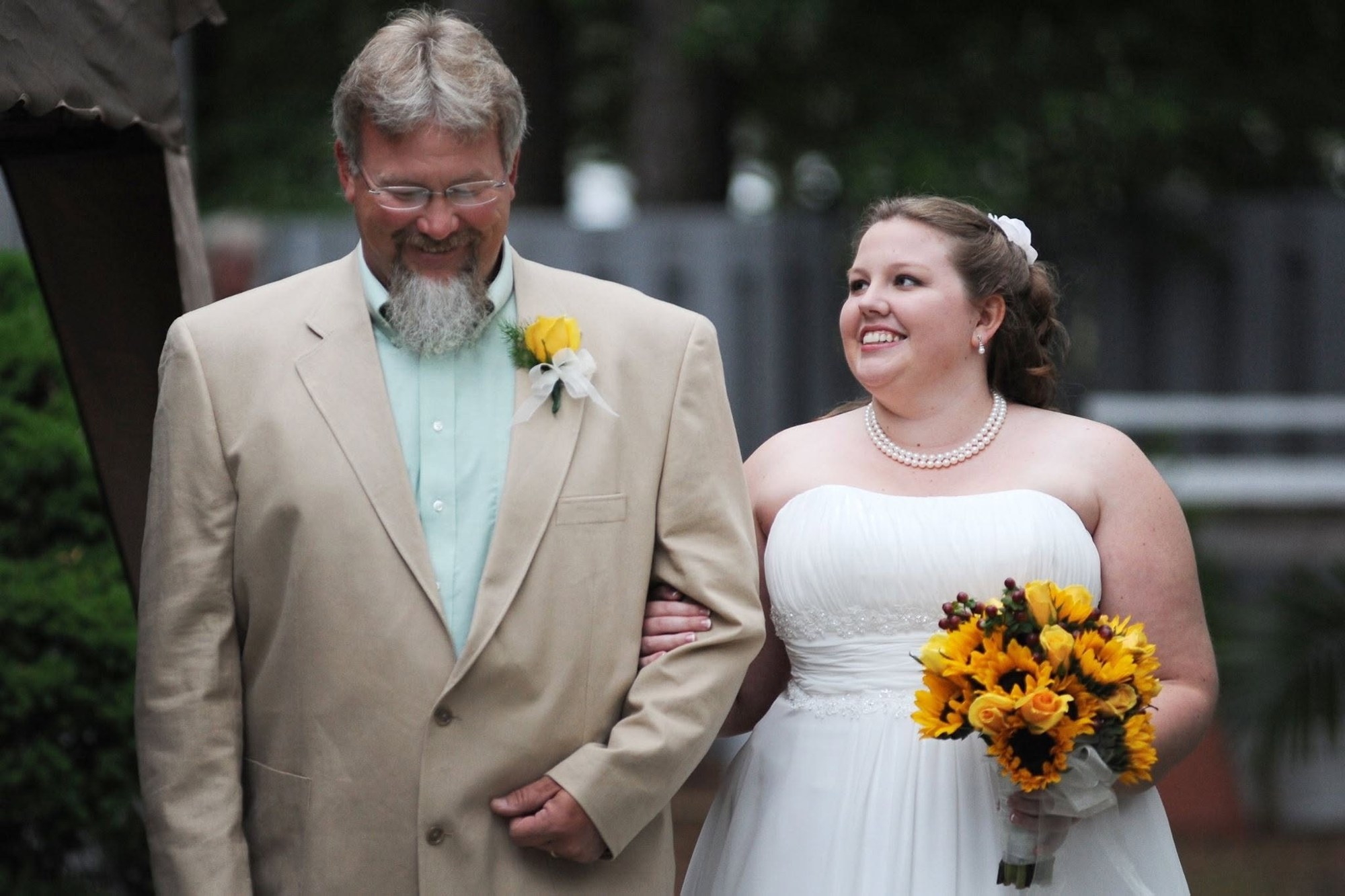
I can’t carve a turkey, much less a decoy. But I can take a handful of memories and turn them into a story.
I hope I said it right, Dad.
— Cynthia Leonard
Watch, read and explore
- Arthur’s oral history Arthur tells his own story for the Museum of Chincoteague Island’s Life History Project.
- Tides & Time interviews Cig, Reggie, Arthur and other island carvers, recorded in 2016 for the Ward Museum exhibit. Arthur’s chapters start at 2:06, 11:24, 18:37 and 21:53.
- Cigar Daisey’s oral history Cig in his own words, from the Museum of Chincoteague Island’s Life History Project.
- Reggie Birch’s oral history Reggie in his own words, from the same project.
- “Smiles” by Tom Reed Read Tom’s poem on our blog.
- Birding at the Refuge Inn Our bird guides for each season on Chincoteague and Assateague.
- Arthur at the Ward Foundation His artist profile from the Ward Museum of Wildfowl Art.
- More from the Legacy Series Read the other stories in our series about the people behind the Refuge Inn.