
February looks like January for about two weeks, and then it doesn’t. Winter still holds the island — the swans are on Swan Cove, the Snow Geese are still commuting to the mainland fields, and the ducks are still rafted on the impoundments. But this is the month the year turns over.
The signs are small and specific. Bufflehead, one of the most dependable ducks of January, start thinning out as the month goes on. Red-winged Blackbirds arrive back in the marsh and begin singing — they are reported far more often here in February than in January, and more often still in March. Killdeer pick up. On still evenings at dusk, American Woodcock begin their display flights along the field edges. The Bald Eagles that have been incubating since January are close to hatching.
February birding rewards attention rather than luck. It is a month for listening closely and noticing what is different from last week.
Waterfowl
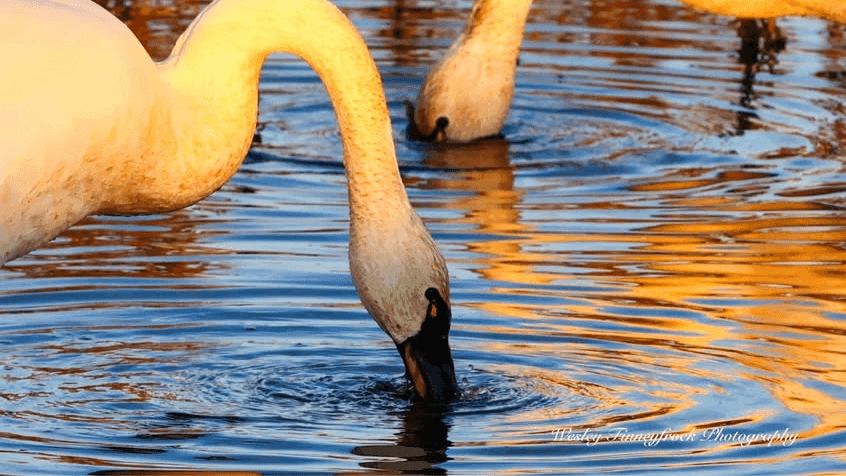
Tundra Swans: These large, elegant birds are easy to see in February. A great spot to see them right from your car is the aptly named Swan Cove, on the left as you approach the beach parking lots. Take binoculars if you have them!
Snow Geese: Expect to see and hear huge flocks overhead as they travel daily from the beach and marshes to mainland Delmarva farms.
Ducks: The highlight of the season! Expect a variety — Northern Pintails, Green-winged Teals, Gadwall, American Widgeon, Hooded Mergansers, American Black Ducks, Bufflehead, and Mallards are all here for the winter. You can sometimes see a large variety in the creek at the culvert on Beach Road, just before the Woodland Trail, and in Swan’s Cove.
Shorebirds & Marsh-Edge Species
Dunlin: in large flocks that seem to move as one
Willet: Blending in with subtle winter plumage
Sanderlings and Black-bellied plovers: endlessly entertaining peeps running along the surf and beach
Great Black-Backed Gull: huge, bold and unmistakable
Songbirds & Woodland Visitors
White-throated Sparrows, Eastern Bluebirds, Yellow-rumped Warblers: along the Woodland Trail
Pine Warblers, Brown-headed Nuthatches: In the pine woodlands of the refuge and even visible from our grounds at the Inn. We love to watch them go up and down trees from pine-side room balconies.
Carolina Wrens: usually heard in front of the inn, as they love our front flowerbeds next to the Refuge Inn sign. Their call is loud and distinctive– impossible to miss.
Raptors
Bald Eagles: Along Beach Road and the Wildlife Loop
Red-tailed and Cooper’s Hawks: Hunting over woodland edges or prey-scanning near trails.
Merlin and Kestrel: Flying fast and fierce over open areas including the beach
Snowy Owls: During irruptions, these majestic owls love the beach—but they aren’t annual visitors. Every recent record here has been in January, so February is a long shot.
First Signs of Spring
Red-winged Blackbirds: The clearest marker of the turn. They are back in the marsh and singing by mid-February, weeks before anything looks like spring.
American Woodcock: Listen at dusk along field and forest edges for their display flights — a February specialty and one of the strangest sounds on the island.
Killdeer: Numbers pick up through the month, calling over open ground and the edges of the impoundments.
Bald Eagles: Still on eggs, close to hatching. The refuge’s eaglets emerge in March.
Trail-Walking Tips
Watch the light: Calm mornings and golden afternoons are ideal
Trail choices:
The Woodland Trail (pine forest, maritime forest) is ideal for songbirds, nuthatches, warblers.
The Wildlife Loop is perfect for waterfowl, shorebirds, and raptors gliding overhead.
Look low: Winter means many birds conserve energy and move deliberately
Bring gear: Binoculars, warm outerwear, a field guide or birding app, and good shoes.
Stay quiet: February has less human traffic; you’ll increase your chance of seeing more shy/resident species if you move slowly and stay quiet.
Start at the Refuge Inn: You’re at the entrance to CNWR — so you could step out and be on the trails within minutes.
Recommended Birding Itinerary for a February Day
Sunrise walk: Bundle up and take the Wildlife Loop trail from refuge entrance. Pause at a marsh boardwalk or overlook, watch for swan or goose flocks lifting off the water.
Mid-morning woodland stroll: Move into the pine trail system on the Woodland Trail— listen for warblers, bluebirds, nuthatches.
Lunch break at the Inn: Enjoy some tasty takeout from Blackfin Grill on the Marsh Platform, binoculars in hand.
Afternoon beach walk: Start at the parking lots and walk south for some winter shorebird and gliding raptor action.
Dinner and Defrost: Warm up with a hearty dinner at Bill’s Prime Seafood and Steaks. Pair an old fashioned with a bowl of French onion soup and a tomahawk steak for peak winter dinner vibes, followed by a series of toasty amenities: Heated Pool, Hot Tub, and Sauna (in that order!)
February Birding on Chincoteague: FAQs
What birds can you see on Chincoteague in February?
The winter roster is still in place — Tundra Swans on Swan Cove, Snow Geese commuting overhead, and a wide mix of ducks on the impoundments. Dunlin and Sanderlings work the surf, Carolina Wrens sing from the flowerbeds at the inn, and Bald Eagles, Red-tailed Hawks, Merlin and Kestrel hunt the open marsh. By mid-month, Red-winged Blackbirds are back and singing.
What is the difference between January and February birding on Chincoteague?
January is static and February is directional. The same swans, geese and ducks are present in both months, but February adds departures and arrivals: Bufflehead thin out, Red-winged Blackbirds and Killdeer come back, and woodcock start displaying at dusk. If you want the biggest, most settled winter picture, come in January. If you want to watch the season change, come in late February.
When does spring migration start on Chincoteague?
Earlier than it looks. Red-winged Blackbirds are singing in the marsh by mid-February. The visible arrivals come in March — Ospreys return to the nesting platforms around the third week, and the refuge closes the Hook on March 15 for the Piping Plovers, which show up right about then.
When do the swans and snow geese leave Chincoteague?
Not in February, despite the thaw. Tundra Swans are reported on essentially every February checklist at the refuge; the drop-off comes in the second half of March, and the Snow Geese go at about the same time. February is your last full month with both.
Plan Your Birding Trip
The Refuge Inn sits a quarter mile from the entrance to Chincoteague National Wildlife Refuge, close enough that you can be on the Woodland Trail or the Wildlife Loop within minutes of leaving your room. Pine-side rooms look out on the loblollies where the pine warblers and brown-headed nuthatches feed, and we’ll pack your breakfast the night before if you want to be out at first light.
Every month has its own guide, and our birding page has the trails, the beach, the boat trips and the full species list recorded on the property.